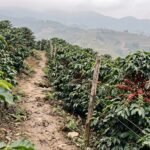
Yunnan Arabica Coffee Wholesale: A Buyer’s Guide for Roasters
19 October, 2026
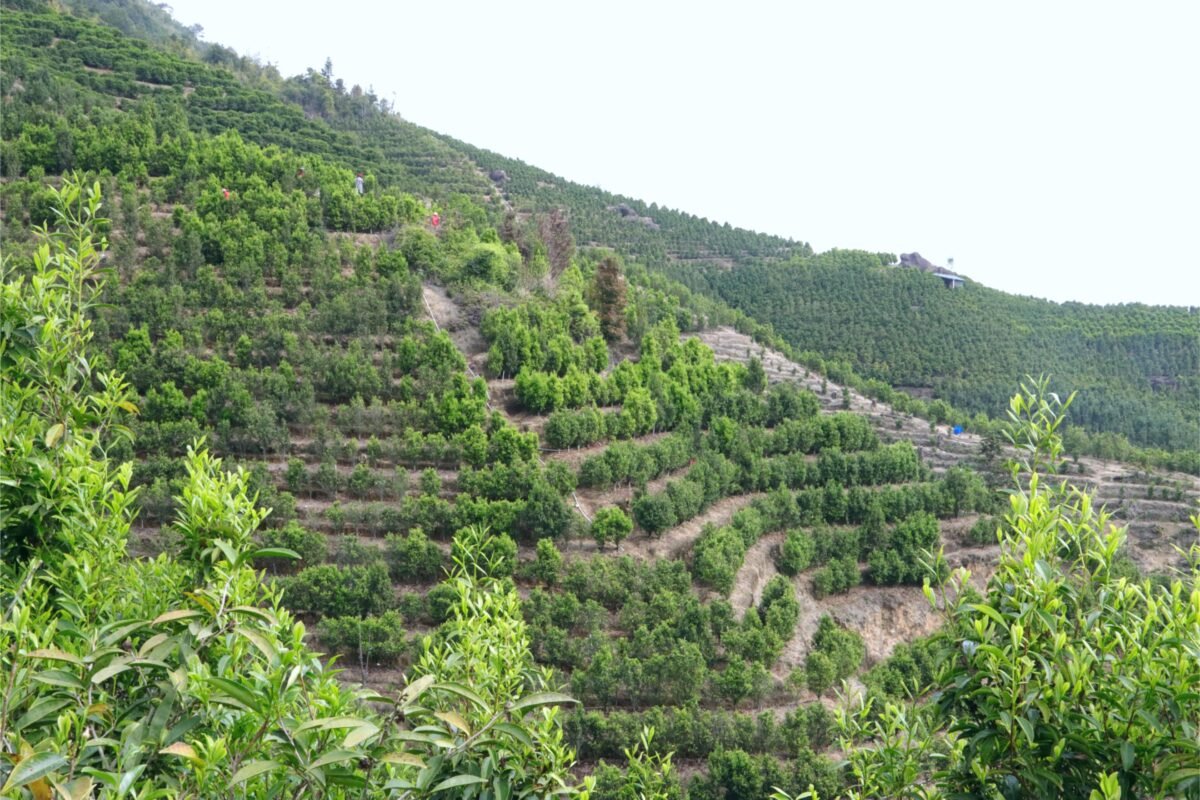
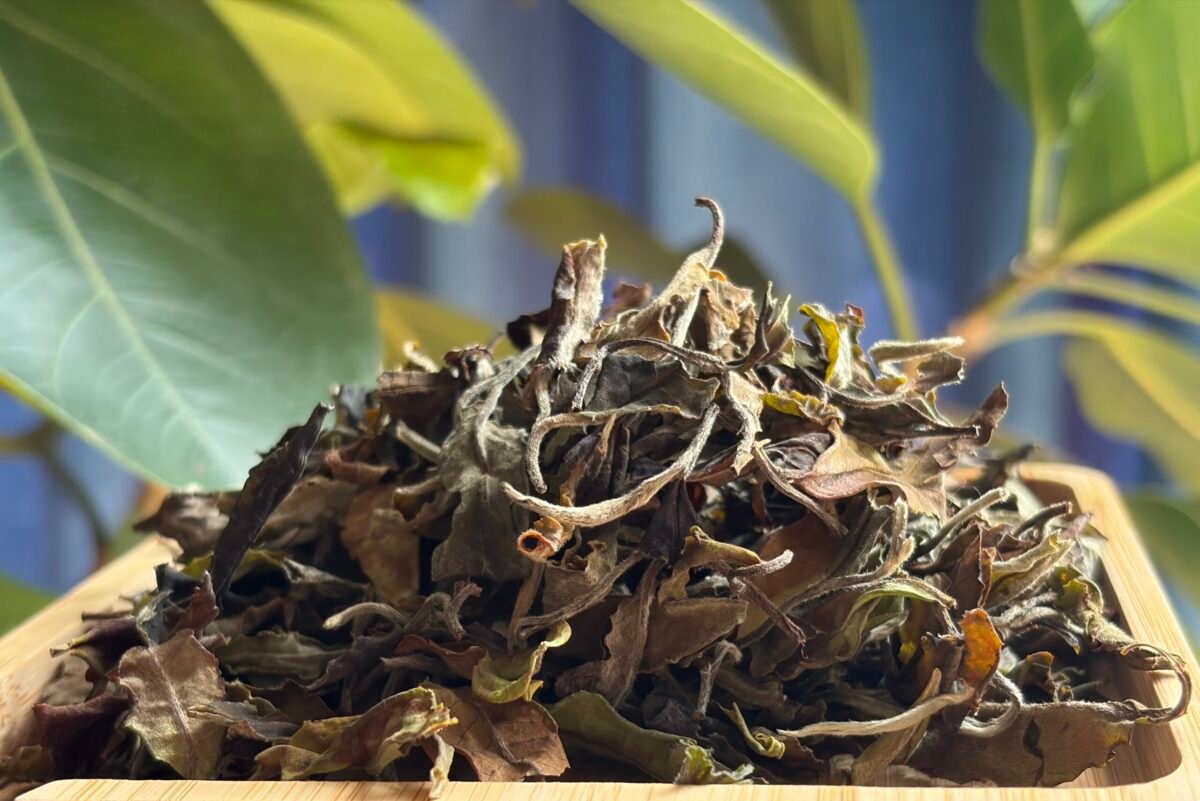
Phoenix Dancong Tea Regions: How Terroir Shapes the Cup
20 October, 2026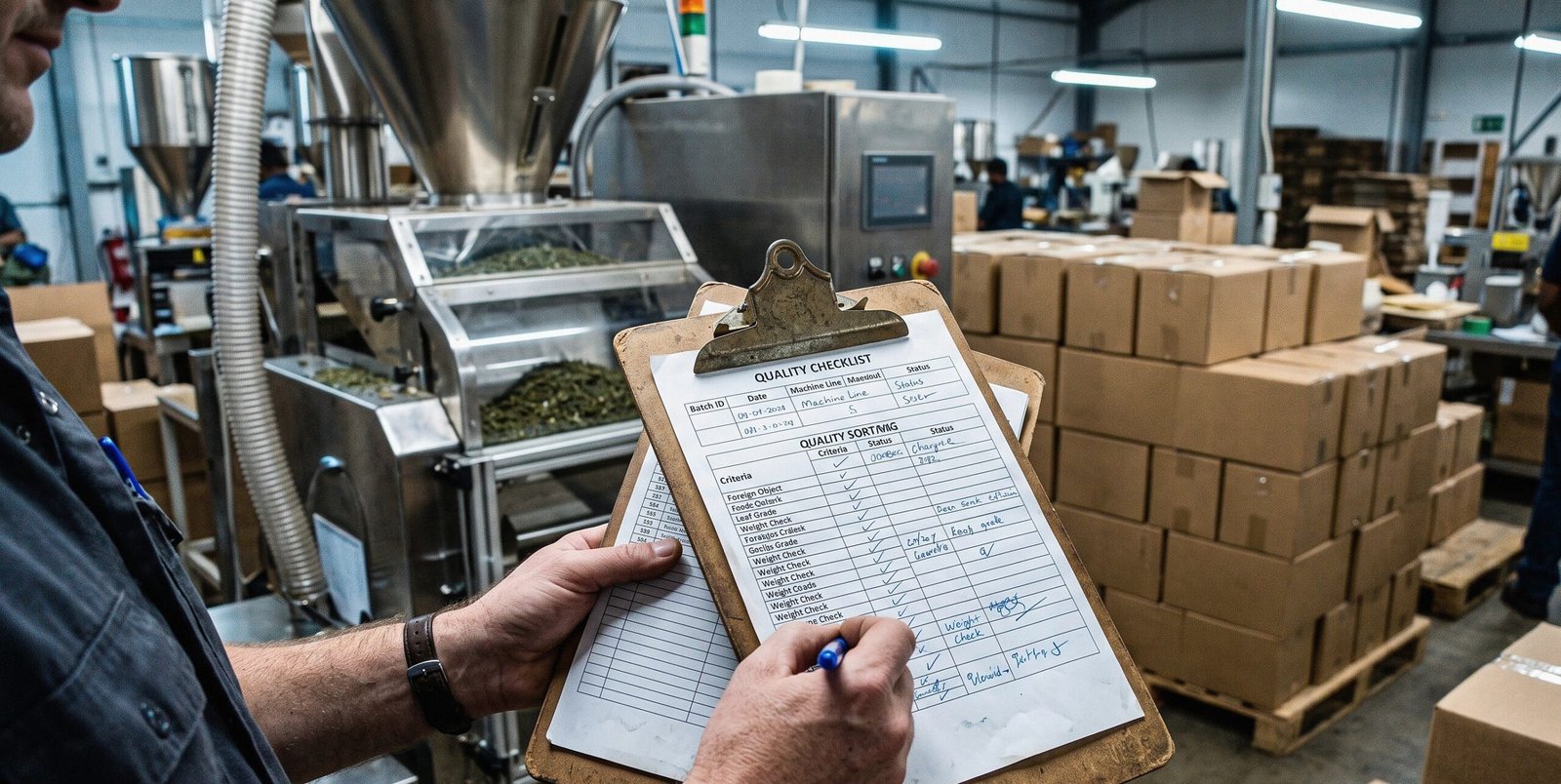
Almost every bad tea import traces back to the same mistake: the buyer evaluated the sample and never evaluated the supplier. A spectacular cup from a well-lit tasting room tells you what one person’s hands produced on one good day; it tells you nothing about whether that person holds a valid food-production licence, can repeat the roast across a container, or can ship paperwork that clears your customs. Vetting is what converts a promising sample into a repeatable supply relationship. It is the least glamorous part of importing and, done once properly at the start, the part you think about least afterward. Here is the working checklist we use, and would use on any new vendor.
Check the Licence Before the Leaf
Chinese food and beverage manufacturing is licensed, and a legitimate exporter can hand you three documents without hesitation. First, a business licence carrying a Unified Social Credit Code — the company’s legal identity, which you can verify against the public enterprise register to confirm the entity exists, its registered scope and its status. Second, a Food Production Licence (the “SC” permit) covering the product category, because processing tea without one is not a paperwork technicality but a bar on legal production. Third, registration as an export food production enterprise with China’s customs authority.
That third item is the one foreign buyers most often overlook. Exporting food from China requires the producer to be registered with the General Administration of Customs (GACC); a supplier who cannot show export registration is either not the manufacturer or not cleared to ship to you, and in either case you are taking avoidable risk. Trade and company-status checks can be corroborated through official channels such as the Ministry of Commerce’s foreign-trade information. If a vendor hesitates to share these three numbers, treat that hesitation as the answer.

Audit Capability and Consistency
Licences prove legality; capability proves they can actually deliver your volume to your spec. Push past the sales video and ask for specifics: number of production lines and the roasting/packaging equipment used, monthly capacity against your forecast, the full product range (a serious factory is strong in a category, not equally mediocre in everything), and how many people work the floor. A live video walkthrough of the plant, requested at short notice, reveals far more than a polished brochure — and a supplier confident in their operation will not object to one.
Then ask what quality system governs the process. ISO 22000 and HACCP are the meaningful markers for food safety management; an unbroken chain of certificates with the right scope tells you that someone has thought about contamination control, batch traceability and cleaning discipline rather than just taste. If they carry these, ask for the certificate number and its scope; a certification is only as good as the product category it actually covers.
Demand Real Testing, Not Promises
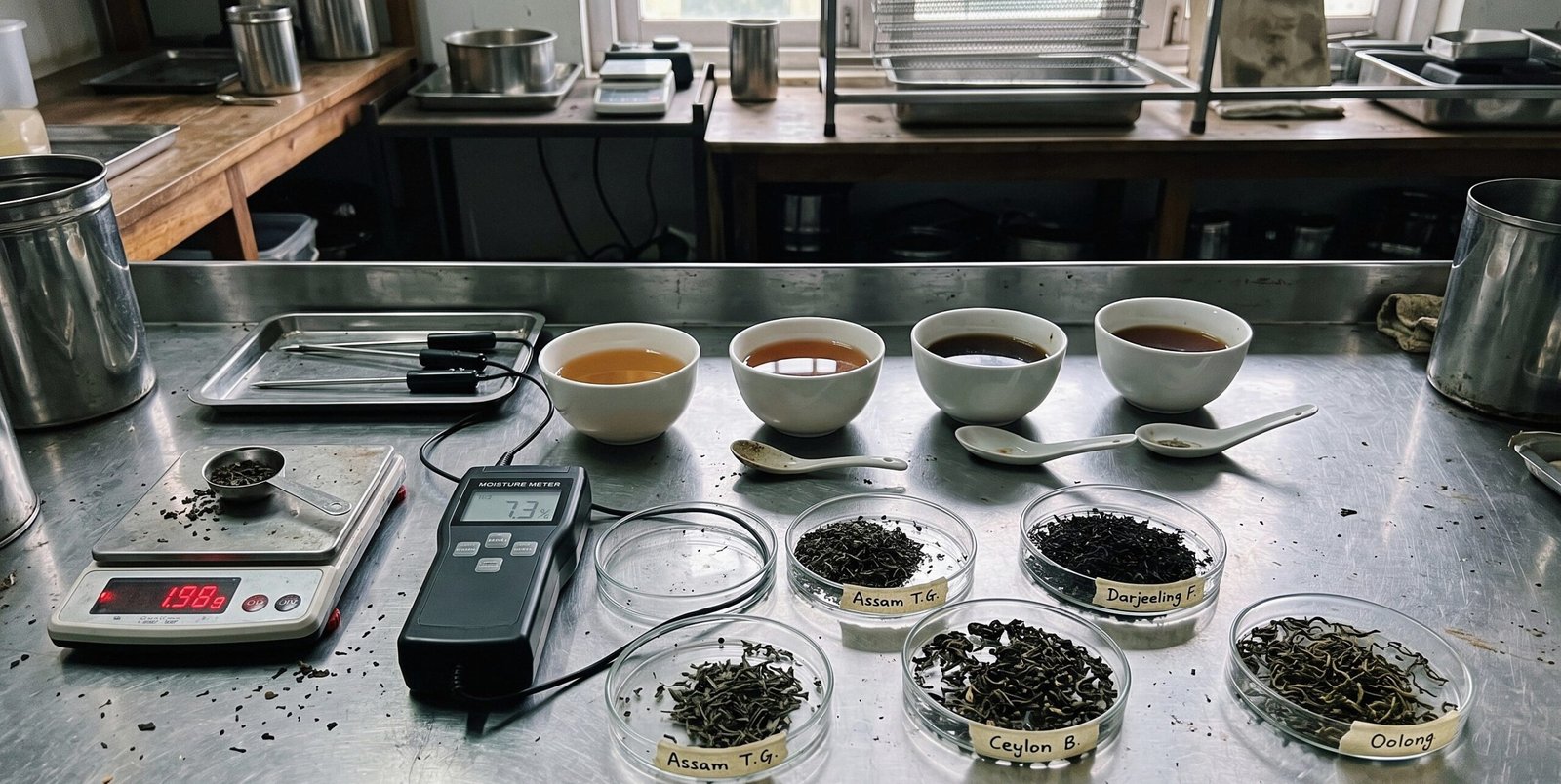
Residue and contaminant limits are where tea imports most often fail at the border, and the standards differ by destination — the EU’s pesticide MRL list, Japan’s positive list, and US import requirements are not the same test panel. Do not accept a supplier’s verbal assurance that their tea “passes anywhere.” Insist on current lab reports from an accredited laboratory (look for CMA or CNAS accreditation in China) run against the specific limits of the market you are shipping into, matched to the actual lot you are buying.
Alongside the safety panel, pin down the physical quality metrics that determine shelf life and cup: moisture content (keep it within a safe low range), the sensory profile against your sealed reference sample, and for grades where it matters, leaf size and the proportion of tips or stems. Good testing is boring and repeated — it is also the only reliable way to know the container will match the sample.
Traceability and the Documentation Pack
Modern buyers increasingly need to say where the leaf actually came from, and regulations are tightening around it. Ask whether the supplier can trace a lot back to the garden, village or co-operative, and whether they keep parcel-level records. Beyond origin, confirm they can produce the full shipping file without being chased: commercial invoice, packing list, certificate of origin, phytosanitary certificate, the lab reports above, and — where you claim it — a valid organic certificate with transaction documentation. A factory that assembles that pack as routine is a factory that has exported before; one that assembles it for the first time for you is a factory you are training at your own risk.
One useful cross-check: a supplier’s claimed export experience can be sense-checked against published trade data for the category and destination. Aggregate figures such as those compiled by Worldstopexports on tea export flows will not audit a single vendor, but they tell you whether a claimed market presence is plausible. When a vendor says they “ship heavily to Germany” yet cannot name a single German customer reference, that is a conversation to finish before you pay a deposit.
Protect the Payment
Terms are your final lever, and the structure matters more than the percentage. The standard safe shape is a partial deposit to start production, with the balance released only after an agreed inspection passes — a pre-shipment inspection against your sealed reference sample and your written spec. For larger or first orders, third-party inspection agencies can verify the goods at the factory before they load. Be wary of any supplier pushing for 100% in advance, and equally wary of terms so loose that neither side has skin in the game. Everything you have just verified — grade, moisture, packaging, lab panel — belongs in a written specification and a signed contract, not in chat messages.
Red Flags That Should Stop You
- Prices far below the market for the claimed grade — quality at that price rarely exists.
- Refusal or delay on the three licences, on a video factory walk, or on accredited lab reports.
- A generic free email domain and no verifiable legal entity or physical address.
- No traceability, or “we can say whatever origin you want on the label.”
- Pressure to pay everything upfront, or resistance to any inspection-release clause.
- A product range so wide it cannot be credible, signalling a middleman trading others’ tea.
Start Small, Then Scale
No amount of paperwork fully replaces a real transaction, so structure your first orders to keep the downside small while you test everything you have verified on paper. Begin with a paid sample order evaluated exactly as a customer would brew it, then a trial purchase order at your genuine specification and packaging, inspected and shipped under the same terms you intend to use long-term. Track the whole thing: does the delivered tea match the sealed sample on aroma, moisture and leaf? Did the documentation arrive complete and on time? Were lead times honest? Did the balance-after-inspection structure actually work as agreed?
Only after one or two small orders pass cleanly should you scale volume or widen the range with that supplier. This staged approach costs a little more per unit up front and is almost always cheaper than a large first container that fails a lab panel, drifts from the sample, or arrives with paperwork your broker cannot clear. It also protects the relationship: a supplier who performs well on small orders and earns your larger volume is a partner, not a gamble, and you keep the leverage to walk away at any stage. If you sell more than one leaf, run the same staged test for each category — a factory excellent at green tea is not automatically reliable at oolong or coffee.
The Buyer’s Supplier Scorecard
Score each candidate against the same weighted grid so comparisons are honest rather than gut-feel. Anything scoring poorly on the compliance and testing lines is a hard disqualifier regardless of price or taste.
| Criterion | Weight | Green flag | Red flag |
|---|---|---|---|
| Licences & export registration | High | Business licence + SC + GACC all verifiable | Cannot produce or won’t share numbers |
| Production capability | Medium-High | Lines/equipment match your volume and grade | Capacity far below your forecast |
| Quality system | Medium | ISO 22000 / HACCP with correct scope | No documented food-safety management |
| Lab testing (destination MRL) | High | Accredited reports matched to the actual lot | Verbal “it’s fine” only |
| Traceability & documentation | Medium | Parcel-level origin, complete shipping file | Can’t say where the leaf came from |
| Consistency vs sealed sample | High | Repeats the approved profile across lots | Container drifts from the sample |
| Communication & transparency | Medium | Responds to audit requests promptly | Dodges the factory call |
Vetting is not distrust — it is how a serious buyer behaves, and the best Chinese producers welcome it precisely because they can pass it. If you are evaluating our credentials as a supplier, our company profile is public and we can walk you through licences, testing and the specific Dancong oolong or Yunnan coffee you want. When you are ready to put a vendor through this grid, request a documentation pack and samples and start scoring.