
Phoenix Dancong Tea Regions: How Terroir Shapes the Cup
20 October, 2026
Fengqing Yunnan Black Tea: A Buyer’s Origin Profile
22 October, 2026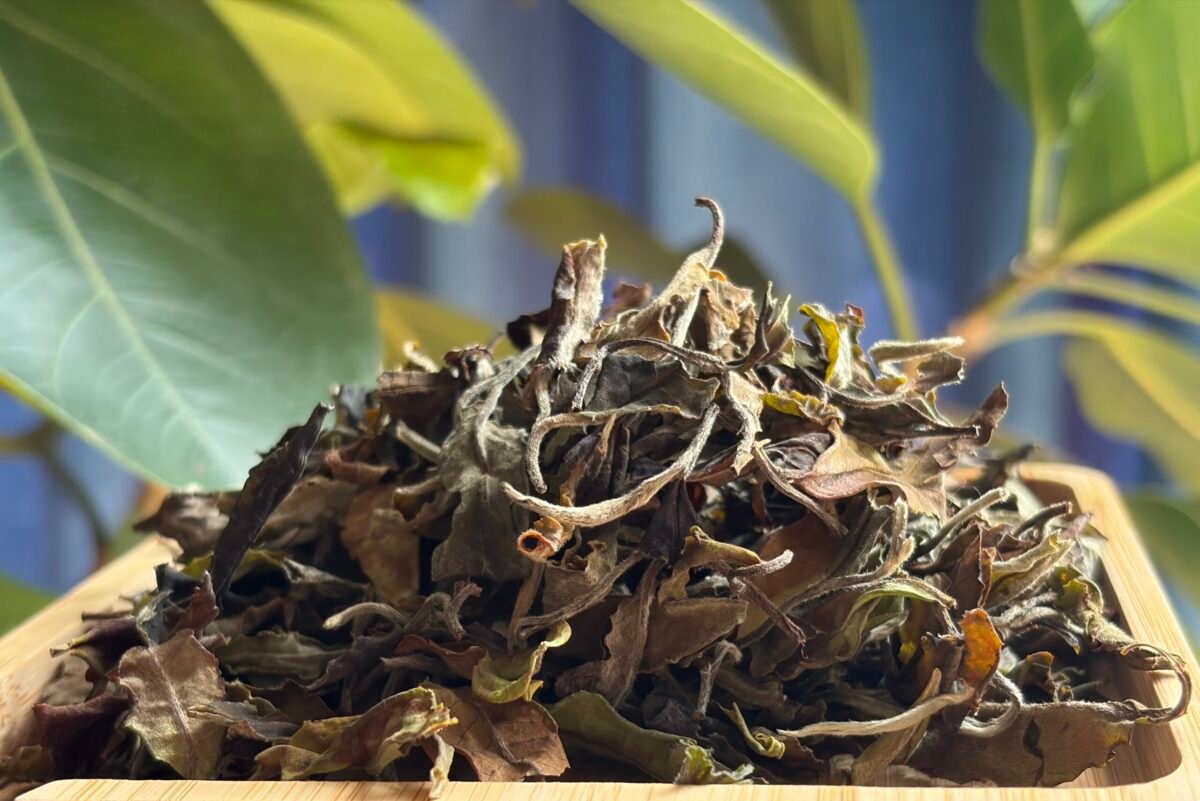
White tea is the quiet overachiever of the Chinese tea export book. It is a fraction of the volume of green or black, yet it consistently earns the highest average price per kilogram of any category — a premium that reflects a simple truth: consumers will pay for a tea that reads as gentle, healthy and rare. Most of that trade still runs through Fujian’s familiar silver needles and peony whites. But there is a second, less crowded origin growing white tea with a different personality and, for a B2B buyer, a different margin story: Yunnan.
Yunnan white tea is made from the province’s large-leaf bushes, tastes fuller and sweeter than its Fujian cousins, and — uniquely — can be aged the way pu-erh is. That combination gives importers something genuinely distinctive to put on a shelf: a white tea with body, a low-caffeine wellness angle, and an aging narrative that justifies holding and re-selling at a higher price later. This guide is a working introduction for sourcing people — what the tea is, where it comes from, how it grades, what it earns, and how to buy it without getting burned. Read it as a checklist you can apply to any Yunnan white tea quote before you commit a deposit.
Why Yunnan White Tea Deserves Shelf Space
Three commercial reasons stand out. First, price resilience: white tea’s premium average per kilogram holds up even in soft market years, because it is sold on perception and origin rather than bulk. Second, differentiation — a Yunnan large-leaf white is not interchangeable with the Fujian white every importer already stocks, so it earns its own slot instead of competing on price. Third, the aging story. Unlike most white teas that are drunk young, Yunnan moonlight and large-leaf whites can be pressed and stored to develop over years, which turns inventory from a depreciating liability into something that can appreciate — a genuinely unusual property in tea retail.
Add the wellness halo that “white tea” already carries in Western markets — minimal processing, low bitterness, a clean cup — and Yunnan’s version slots neatly into the fastest-growing retail narratives: gentle caffeine, everyday ritual, and collectible aging. It is a rare category that lets a brand tell a health story and a rarity story at the same time.
What “White Tea” Means, and How Yunnan Differs from Fujian
White tea is the least-processed of the six Chinese categories: the leaf is withered and dried, with no kill-green (fixing) and little or no rolling. The name comes from the silvery down on young buds. The classic reference point is Fujian — Silver Needle (bai hao yinzhen) of pure buds, and White Peony (bai mu dan) of bud-and-leaf. Yunnan white tea follows the same no-rolling logic but from a different plant and a different terroir, and the cup is meaningfully different.
| Dimension | Yunnan white tea | Fujian white tea |
|---|---|---|
| Plant | Large-leaf assamica (e.g. Jinggu Da Bai) | Mid-leaf sinensis (Fuding/ Zhenghe cultivars) |
| Cup | Fuller, honeyed, stone-fruit, more body | Delicate, floral, lighter-bodied |
| Signature style | Moonlight White (Yue Guang Bai) | Silver Needle, White Peony |
| Aging | Ages well, often pressed like pu-erh | Traditionally drunk younger |
| Market position | Differentiated, less crowded | Established, more competitive |
For a buyer this is the core pitch: Yunnan gives you a white tea that is recognisably white yet distinct enough to command attention and price next to the Fujian standard. Position it as “big-leaf, honeyed, ageable” and you are selling a different tea, not a cheaper copy.
Moonlight White — Yunnan’s Signature
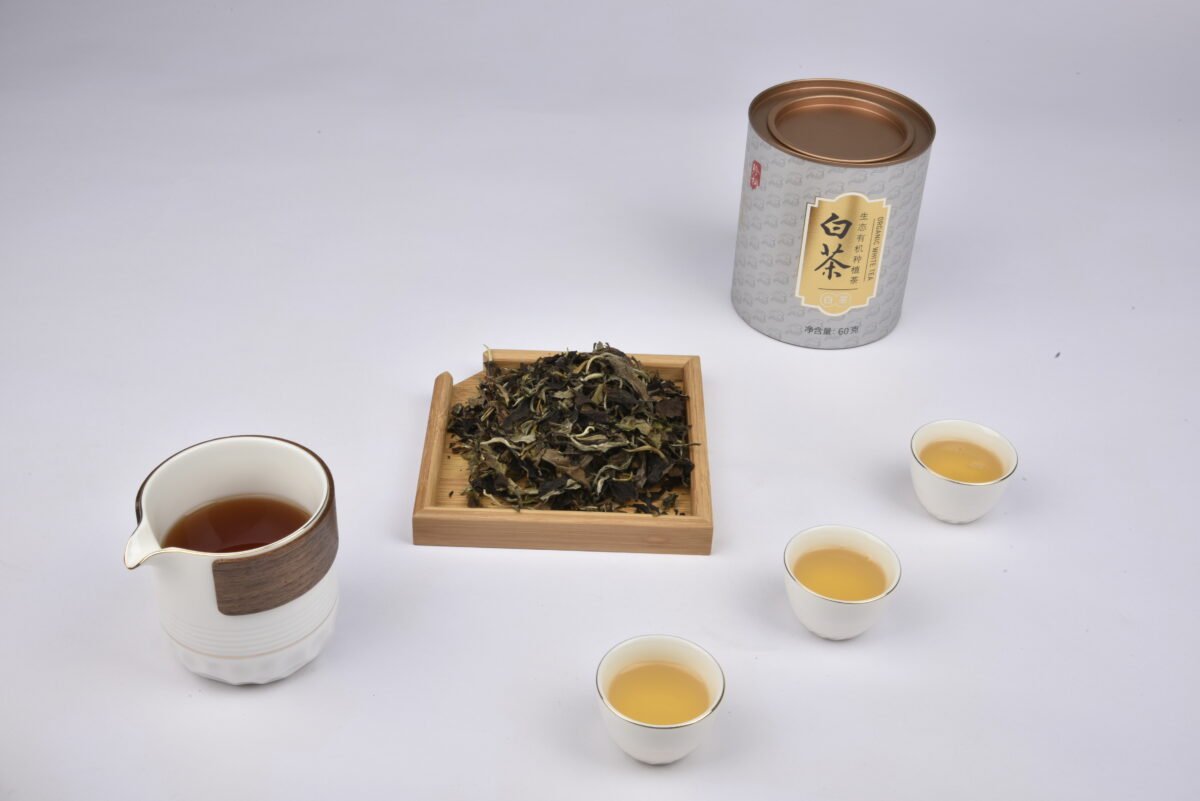
The tea that carries Yunnan white’s reputation is Moonlight White (Yue Guang Bai, 月光白), made mainly in the Jinggu and Pu’er areas of Yunnan from the large-leaf Jinggu Da Bai varietal, grown at roughly 1,200 to 1,800 metres and plucked as one bud with one or two leaves in the spring. Its most striking feature is visual: because the leaf is withered largely away from direct sun, the bud dries silvery-white while the leaf darkens to inky brown, so a single leaf looks two-toned — a crescent of light against dark, which is where the poetic name comes from.
In the cup, moonlight white pours a golden, honeyed liquor with notes of apricot, stone fruit and wild honey — sweeter and rounder than most Fujian whites, and, importantly for wellness positioning, relatively low in caffeine (roughly 14 mg a cup by typical analyses) because of the bud-heavy, minimally-processed style. That profile — sweet, smooth, low-bitter, gentle — is exactly what makes it easy to sell to customers who find green tea grassy and black tea harsh.
Minimal Processing Means Maximum Sourcing Risk
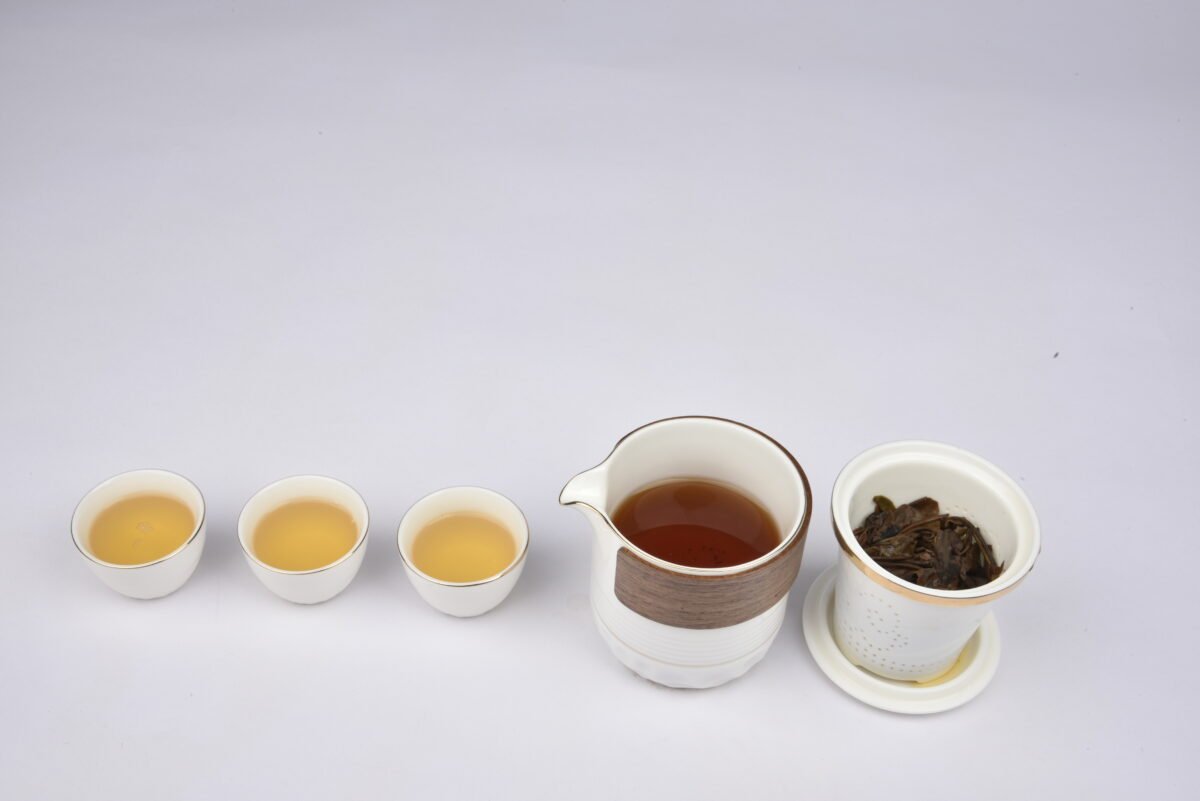
Here is the flip side of “least processed.” With no rolling and no high-heat fixing to standardise the leaf, almost everything in a white tea is decided by two unglamorous variables: how the leaf is withered and how thoroughly it is dried. Withering is slow and weather-dependent; drying must bring moisture low enough for safe storage without cooking the delicate buds. A well-made Yunnan white is sweet, clean and dry; a badly made one is green and raw (under-withered), smoky or burnt (rushed drying), or — worst for a shipper — left with too much moisture and quietly moulding in the bag.
That is why white tea punishes buyers who skip the numbers more than any other category. Two specifications matter above all: final moisture content, which must be low and verified (aim for the safe single-digit-to-low-teens percent range your lab confirms, not a supplier’s word), and a clean sensory cup with no green, sour or musty note. Because oxidation is minimal, off-flavours have nowhere to hide. Buy against a sealed reference sample, and treat moisture testing as non-negotiable before a container is released.
Grades and Formats to Buy
Yunnan white tea is sold in a loose ladder from bud-heavy to leaf-heavy, plus a few value-added formats:
- Bud-forward / silver-needle style — the most expensive, sweetest, most photogenic; premium retail and gifting.
- Moonlight white (bicolored bud-and-leaf) — Yunnan’s signature; the sweet, honeyed core SKU.
- Leafy / rougher grades — fuller, cheaper, good for blends, tea bags and everyday loose-leaf.
- Pressed cakes and bricks — white tea compressed for aging and sold as a collectible, borrowing the pu-erh format and its appreciation story.
A balanced range usually pairs a bud-forward or moonlight grade as the hero with a leafy grade for volume, and — if you serve collectors — a small pressed-cake offering for the aging niche. Our Grade A Yunnan White Tea is a floral, fresh-sweet example of the core style, and it sits within our wider white tea wholesale range alongside the rest of our Chinese tea lines.
The Numbers: What White Tea Earns
White tea is tiny in volume and high in price — the opposite of bulk green. In 2024 China exported only a few hundred tonnes of white tea in total, but at the highest average price of any category, roughly thirteen US dollars per kilogram according to the China Association for the Promotion of International Agricultural Cooperation’s 2024 tea trade review — against an all-tea average near $3.7 and a global tea-export average of about $3,783 per tonne, per Worldstopexports’ country data. The overall 2024 China tea trade, summarised by Xinhua and the trade association, shows the same picture: volume up, average prices down — yet white tea’s premium per kilo stayed well above the field.
| China white tea, 2024 (trade review) | Figure | Read |
|---|---|---|
| Export volume | ~456 tonnes | Small, niche category |
| Average price | ~$13 /kg | Highest of any tea type |
| Key destinations | HK, US, Germany, Malaysia | Western specialty + Asian gifting |
| All-tea avg (context) | ~$3.7 /kg | White tea earns ~3–4x the blend |
The strategic read: you are not selling white tea on volume. You are selling a high-margin, story-rich category into buyers who pay for wellness, rarity and ageability — and Yunnan’s large-leaf profile is a defensible way to stand apart from the crowded Fujian shelf. For context on how small white tea is within global output, the FAO’s agricultural statistics portal (FAOSTAT tea series) shows how heavily the world tea crop is weighted toward green and black, which is exactly why a niche, premium category is worth owning deliberately.
Where Yunnan White Tea Sells
Match grades to channels the same way you would any premium leaf. Bud-forward and moonlight grades suit specialty loose-leaf retail and wellness-positioned brands, where the low-caffeine, gentle-cup story converts. Pressed cakes speak to pu-erh collectors and aging enthusiasts — a customer who buys for future value and will pay more later. Leafy grades are the workhorse for tea bags, blends and food service, adding sweetness to a breakfast or herbal blend. And gift formats — a small tin of silver buds, a pressed cake in a box — monetise the category’s premium perception at festivals and corporate gifting. A single Yunnan white sourcing relationship can serve several of these if you buy across the grade ladder.
Brewing and Storage Guidance for Your Customer
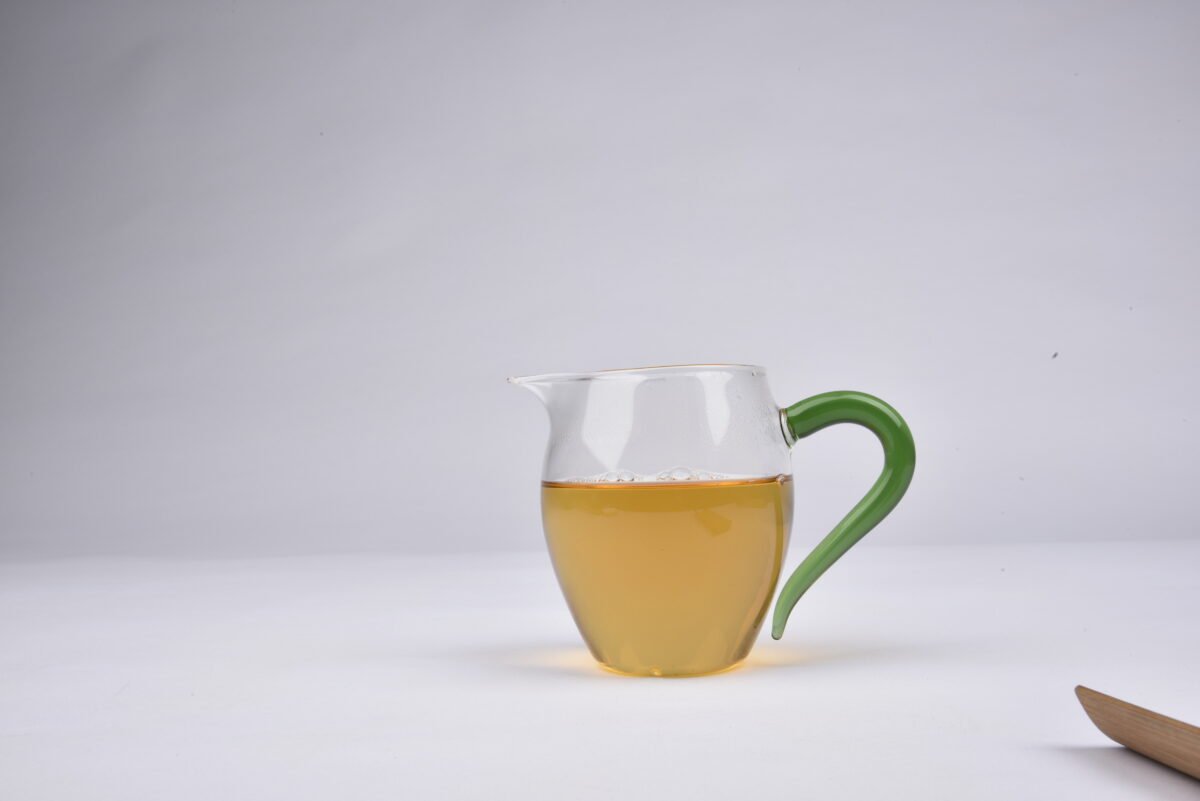
White tea is forgiving but easy to ruin with boiling water and long steeps, which draw out bitterness in a tea that is supposed to be sweet. Give customers a gentle standard: roughly 80–90°C water, a modest leaf dose, and short steeps for gongfu or a few minutes in a Western pot; the large-leaf Yunnan style takes well to a slightly hotter pull than delicate Fujian needles and rewards re-steeping. For cold brew, a spoon of leaf in cold water overnight makes a naturally sweet, low-bitter drink that sells the wellness angle perfectly.
Storage is where the aging story lives or dies: keep white tea dry, airtight, away from light and strong odours. Moisture is the enemy — a damp bag turns a premium tea into a total loss — which is why your own inbound moisture check protects not just compliance but the aging potential you are selling. For pressed cakes meant to age, stable, lightly ventilated storage over years is the whole point, and it is a reason customers buy the format at all.
How to Spec and Price Yunnan White Tea
White tea pricing is deceptively simple on the surface — bud-heavy costs more, leafy costs less — but the real levers are bud ratio, harvest, dryness and provenance. A quote that just says “Yunnan white tea, premium” is useless; you need the grade defined by the ratio of silver buds to leaf, the harvest (spring bud-heavy material is the benchmark; later, coarser flushes are cheaper), the elevation band, and the final moisture. Ask each supplier to quote in tiers — a bud-forward grade, a balanced moonlight grade, and a leafy blend-grade — so you can see the real spread and match a grade to each channel rather than accepting one opaque “premium” number.
Then put it in writing. A clean white-tea specification names the grade and bud ratio, the harvest and season, the origin area (Jinggu, Pu’er, or a specific village for the top lots), a maximum moisture content, the pesticide and contaminant limits for your destination, the packaging format and inner-bag style, and a sealed reference-sample ID. Because white tea carries the highest per-kilo price of any Chinese category, the cost of a mis-bought container is proportionally higher — the discipline you would apply to a cheap bulk green is actually more important here, not less.
Aging White Tea: The Collectible Angle
The most under-used margin lever in Yunnan white tea is time. Like pu-erh — and unlike most Fujian whites drunk young — large-leaf Yunnan white can be pressed into cakes or bricks and stored to develop over years, deepening from honeyed and floral toward richer, datey, medicinal notes. Properly made and properly dried white tea gains complexity with age, and a well-stored cake from a good harvest can sell for a meaningful premium years later.
For a buyer this opens a genuinely different business model. Instead of white tea being a fast-moving consumable you race to sell before it fades, a portion of your stock can be an appreciating asset: buy a quality spring cake at harvest, store it under controlled conditions, and release it later at a higher price to collectors. That requires the right format (pressed, not loose), the right initial dryness (a cake that was dried properly, or it moulds during storage), and honest provenance and year on the packaging — collectors pay for a traceable, dated lot. It also means you should split your white-tea budget between a drinking range that turns quickly and a small aging range that builds value, rather than treating all of it as one commodity.
Common Defects and How to Catch Them Before You Pay
Because white tea is barely processed, faults are easy to taste and hard for a supplier to disguise — if you know what to look for. The most common are a green, raw, “unripe” smell from under-withering; a smoky, burnt or flat note from rushed or over-hot drying; a sour or muddy finish from poor fermentation control or contamination; and, worst of all, a musty, damp character from high moisture that can turn into mould in transit or storage. Each maps to a specific step the supplier controlled, so each is fair to demand they can speak to.
Catch them with a simple inbound routine: sniff the dry leaf for anything green, smoky or musty; brew a standard cup and taste for sweetness and cleanliness rather than bitterness or sourness; and — non-negotiable — verify moisture with a meter or lab report, because a tea that smells fine at 11% moisture can bloom mould by the time it reaches your warehouse at 14%. Keep your approved reference sample and compare every arrival against it. This is not paranoia; in a category priced near thirteen dollars a kilo, a single off container erases a lot of margin fast.
Harvest and Sourcing Calendar
Yunnan white tea is largely a spring story. The prized bud-heavy material — including moonlight white — is plucked in the first warm weeks, roughly March into April, when the large-leaf bushes push their tender, downy buds after winter. That first flush is where the sweetness, the silver buds and the premium pricing live. Later flushes into the warmer months are coarser, leafier and cheaper, and are the source of your blend and bag grades. Some producers also make a distinct autumn white with a different, often more aromatic profile.
Plan purchases around that rhythm. If you want the best bud-forward grades, commit before or during the spring flush, because top lots sell through early and do not restock. If you are buying leafy or pressed aging material, you have more flexibility across the year. Building your calendar around the flush — rather than treating white tea as an always-available catalogue item — is what separates buyers who get the good stuff at a fair price from those left with whatever is left over.
Building a White Tea Range
Because the grade ladder and the aging angle are both real, a strong white-tea programme is usually three SKUs deep rather than one. The first is a hero: a bud-forward or moonlight white in a small retail tin, priced on origin and sweetness, aimed at specialty customers and gifting. The second is a workhorse: a leafy grade sold by weight for tea bags, blends and food service, where volume and consistency matter more than appearance. The third is the collector’s play: a pressed cake from a named spring harvest, sold with year and provenance, that lets you hold stock and release it at a premium as it ages.
That structure spreads risk and captures different buyers from one sourcing relationship. The hero builds brand and margin, the workhorse keeps cash turning, and the cake line gives you an appreciating asset and a story that keeps customers coming back to a single origin. Buy across all three tiers from a supplier who can prove dryness and cleanliness, keep a sealed sample of each, and you have a white-tea range that is genuinely defensible — not a single fragile SKU competing head-on with every Fujian white on the shelf.
Myth vs Reality
Myth: All white tea is the same. Reality: Yunnan’s large-leaf whites are fuller, sweeter and more ageable than Fujian’s delicate needles — a different product, not a different label on the same tea.
Myth: “Least processed” means “easy to make.” Reality: with no rolling or fixing to hide mistakes, white tea is the category where sloppy withering and drying show up loudest in the cup and in storage risk.
Myth: White tea is just a health fad. Reality: it is the highest-priced Chinese export category per kilogram — a durable premium, not a trend, and Yunnan gives you a differentiated way into it.
Myth: White tea must be drunk young. Reality: Yunnan moonlight and large-leaf whites can be pressed and aged like pu-erh, turning stock into a collectible that can gain value.
Myth: Low caffeine means low quality. Reality: the bud-heavy, gentle style is exactly what makes it easy to sell to customers who dislike bitter tea — a feature, not a flaw.
Yunnan white tea is the rare category that lets an importer sell wellness, rarity and aging at once, at a premium that bulk teas cannot touch. Buy it like the delicate, moisture-sensitive product it is — sealed samples, verified drying, clean cups — and position it as the big-leaf, honeyed, ageable white that it genuinely is. Do that, and white tea stops being a risky add-on and becomes one of the highest-margin, most defensible lines on your shelf. If you want to evaluate grades and formats against your own range, request samples and specs from our team and build the line around the channels above.