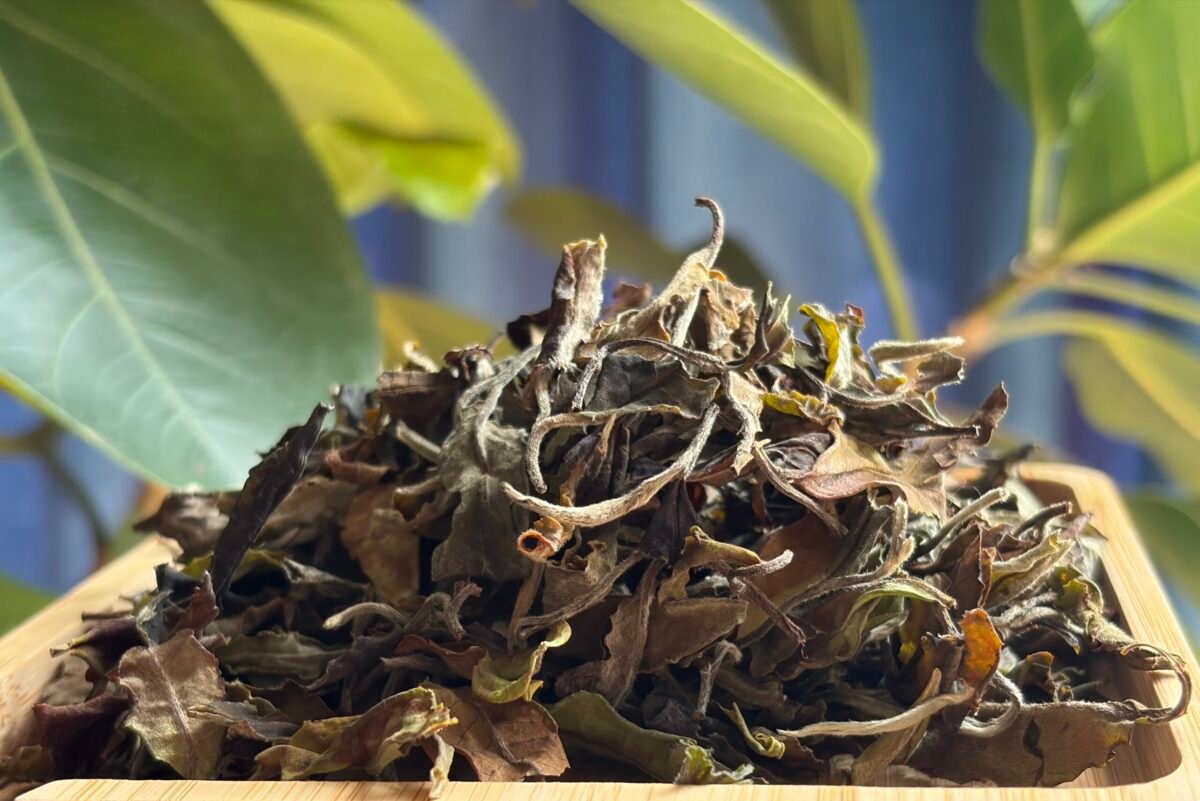

Yunnan White Tea Wholesale: The Underrated High-Margin Line
21 October, 2026
The Specialty Tea Wave: Why Premium Tea Keeps Growing
22 October, 2026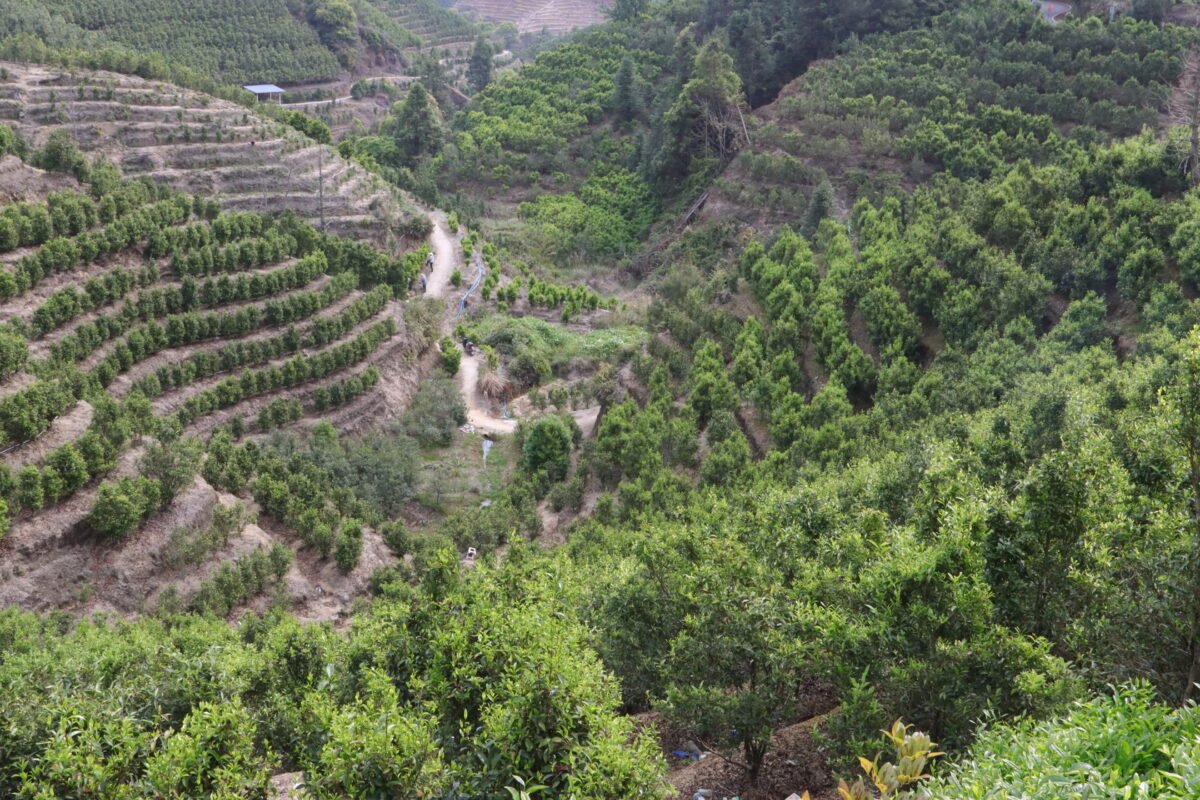
If Yunnan is China’s black-tea province, Fengqing is its capital. This single county in Lincang prefecture, in the southwest of Yunnan, is where Dian Hong was created in 1938 and where the region’s signature floral-fruity black tea is still made at scale. For a buyer, that concentration is an advantage: sourcing “Fengqing” narrows your search to a defined origin with a known style, a mature processing culture and enough volume to support both everyday blends and premium single-estate lots. This profile is written for importers who want to understand what Fengqing actually delivers, how its tea grades, and how to buy it well.
It is deliberately different from a general Dian Hong guide. Here the focus is the origin itself — the county, the cultivar, the cup it produces, and the practical steps to specify and test a Fengqing black tea so the container matches the sample. Treat this as an origin brief you can keep beside a quote and work through line by line.
Why Fengqing Matters
Fengqing’s importance is historical and industrial at once. In 1938, with China’s coastal black-tea regions cut off during wartime, the tea expert Feng Shaoqiu was sent inland and, working with Fengqing’s superior large-leaf bushes, produced the first Dian Hong. The factory founded there in 1939 became the backbone of Yunnan’s black-tea industry, and the region’s record lots later set international price benchmarks and served as state gift tea — a heritage the flagship provincial producer still cites on its company profile.
Today Fengqing is one of China’s largest tea counties. By the province’s own accounts it carries well over 20,000 hectares of tea, produces on the order of 10,000 tonnes a year, the majority of it black tea, with most of the local population engaged in the crop. That scale matters commercially: it means Fengqing can supply a genuine range — from sturdy food-service grades to high-tip premium lots — from one origin, rather than a single boutique harvest you cannot reorder. For a growing brand, that reliability is worth as much as the flavour.
The Fengqing Terroir
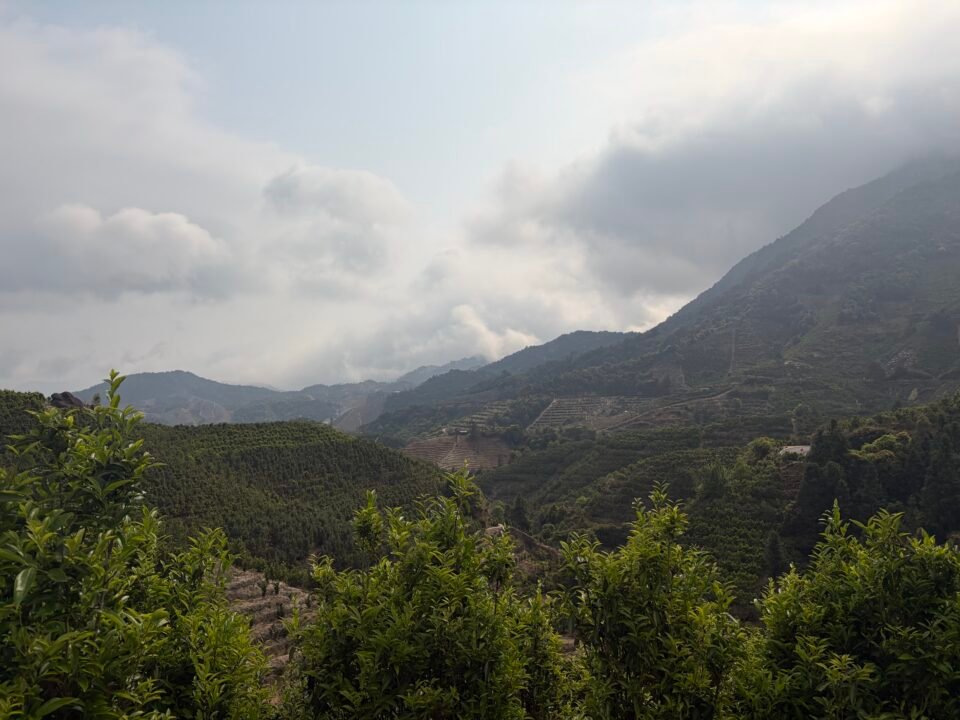
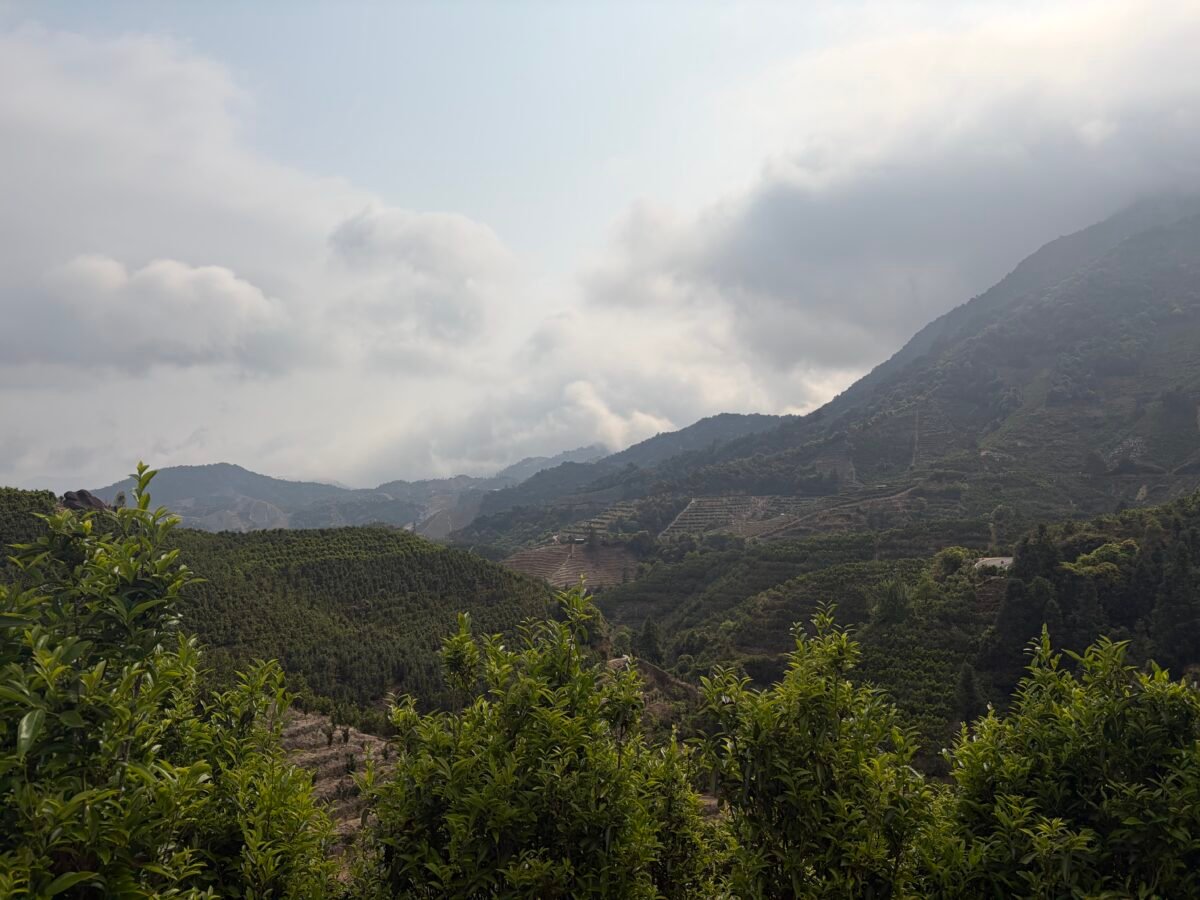
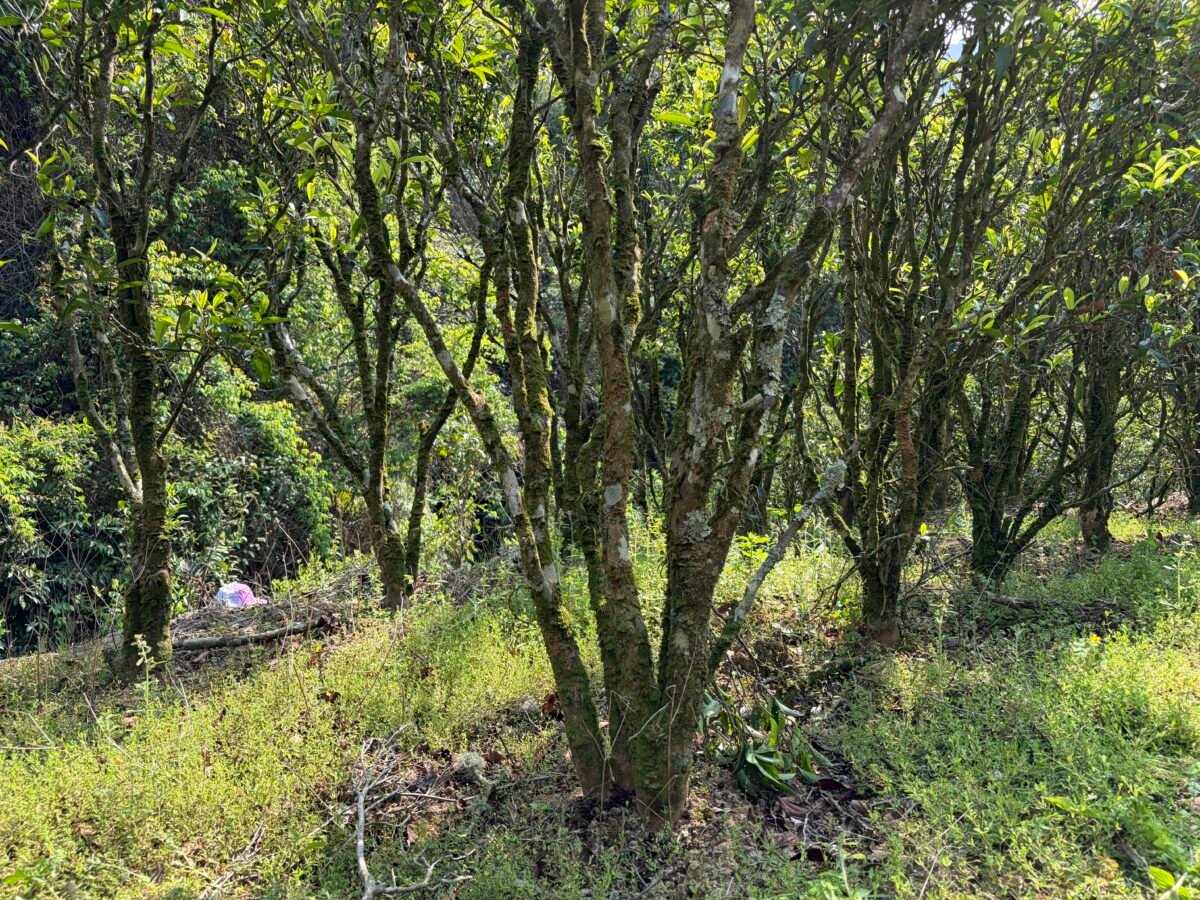
Fengqing sits on a narrow band roughly between latitudes 24° and 25° north, in a subtropical highland zone with mild winters, warm-but-not-scorching summers and rain arriving with the heat. The tea is grown on slopes at moderate to high elevation, largely from the Yunnan large-leaf Camellia sinensis var. assamica — the same broad-leaf genetic family that gives Assam tea its body. Big leaves mean more of the compounds that make a black tea feel full and malty in the cup.
| Fengqing origin at a glance | Detail |
|---|---|
| Location | Fengqing County, Lincang, south-west Yunnan |
| Latitude / elevation | ~24–25°N; hillside gardens at moderate to high elevation |
| Cultivar | Yunnan large-leaf assamica |
| Scale | 20,000+ ha; ~10,000 t/yr, majority black tea |
| Signature | Floral-fruity, malt-and-honey, golden-tipped grades |
| Heritage | Birthplace of Dian Hong (1938); historic record prices |
The practical takeaway for sourcing is that Fengqing’s default house style is a full, sweet, floral-fruity black tea — quite different from the brisk, tannic profile of some Indian blacks or the smoky note of certain Chinese ones. When you buy Fengqing, you are buying that profile, and you can lean on it as a consistent origin signature across suppliers.
The Cup Profile
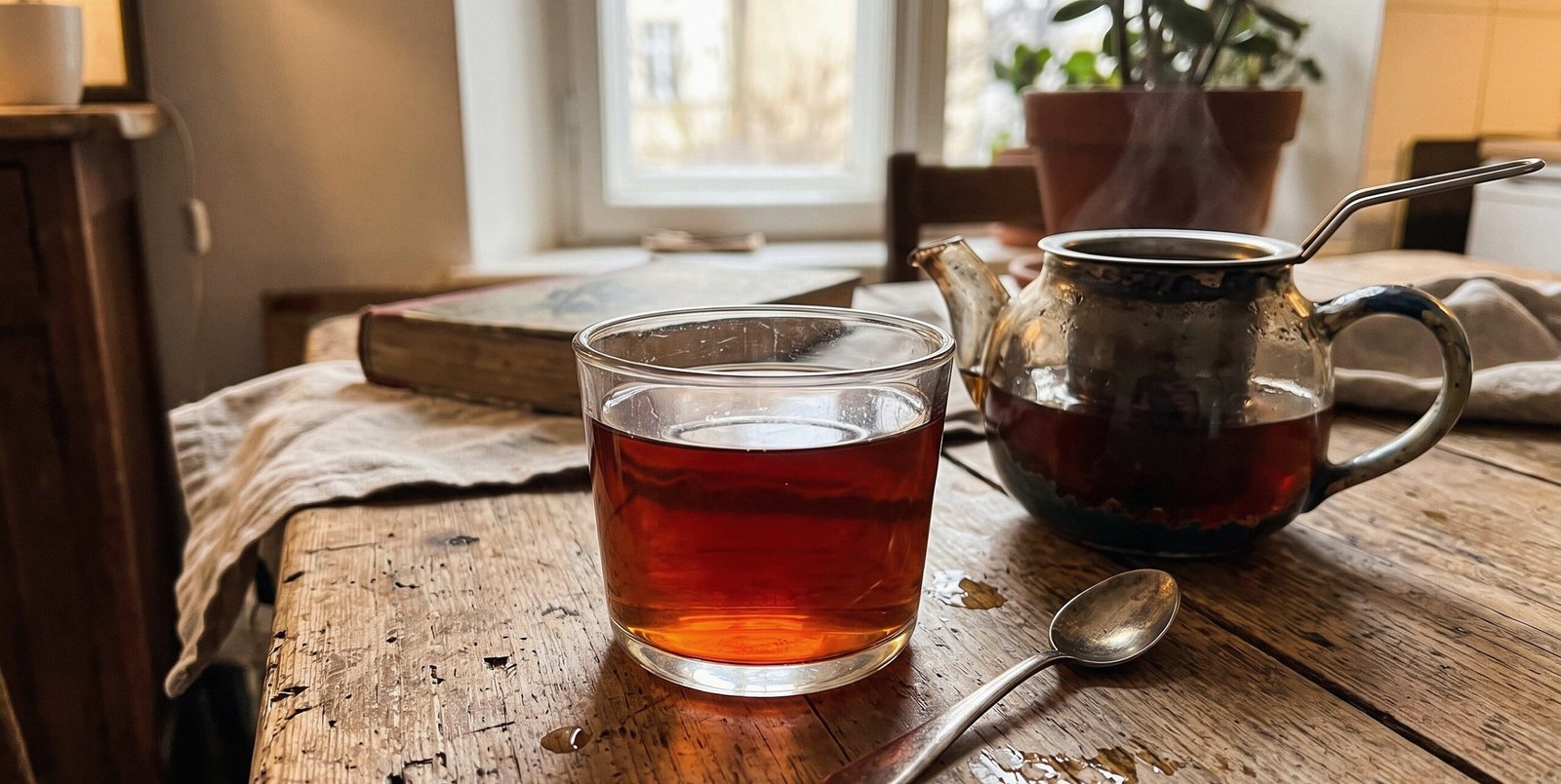
A good Fengqing black tea pours a bright coppery-to-amber liquor and tastes of honey and malt with a floral, sometimes fruity top note — the “floral-fruity and sweet” character the region’s better grades are named for. The large-leaf material gives body: the cup feels round and substantial rather than thin, and it carries sweetness without needing milk or sugar. That natural sweetness is Fengqing’s commercial edge. It makes the tea easy to drink black, pleasant iced, and rich enough to stand up in a milk tea — three different channels served by one origin.
Grades differ mainly in bud content and leaf size, which shift the cup along a spectrum: more golden buds means more honey-sweetness and a softer, more delicate liquor; more mature leaf means more malt and strength at a lower price. Knowing which end of that spectrum your customer wants is the core of buying Fengqing well.
Grades You Will Buy from Fengqing
| Grade style | Leaf | Cup | Best channel |
|---|---|---|---|
| Golden Bud / Golden Tip | Bud-heavy, lots of gold | Sweet, honeyed, delicate | Premium retail, gifting |
| Gongfu / orthodox leaf | Twisted black leaf, some tips | Full, floral-fruity, balanced | Loose-leaf retail, tea houses |
| Classic house grades | Even, refined orthodox | Consistent, mellow | Repeat retail, blends |
| Broken / fannings | Small, fast-stripping | Strong, brisk | Tea bags, milk tea, food service |
| Pressed shapes (pearls) | Hand-formed | Sweet, slow-opening | Gifting, specialty |
Our own Fengqing Yunnan Black Tea sits in the orthodox floral-fruity band for retail, and the Fengqing Black Tea Pearl is a hand-shaped premium format for gifting and higher-margin specialty — both representative of the styles above and part of our wider Chinese black tea range.
How Fengqing Black Tea Is Made
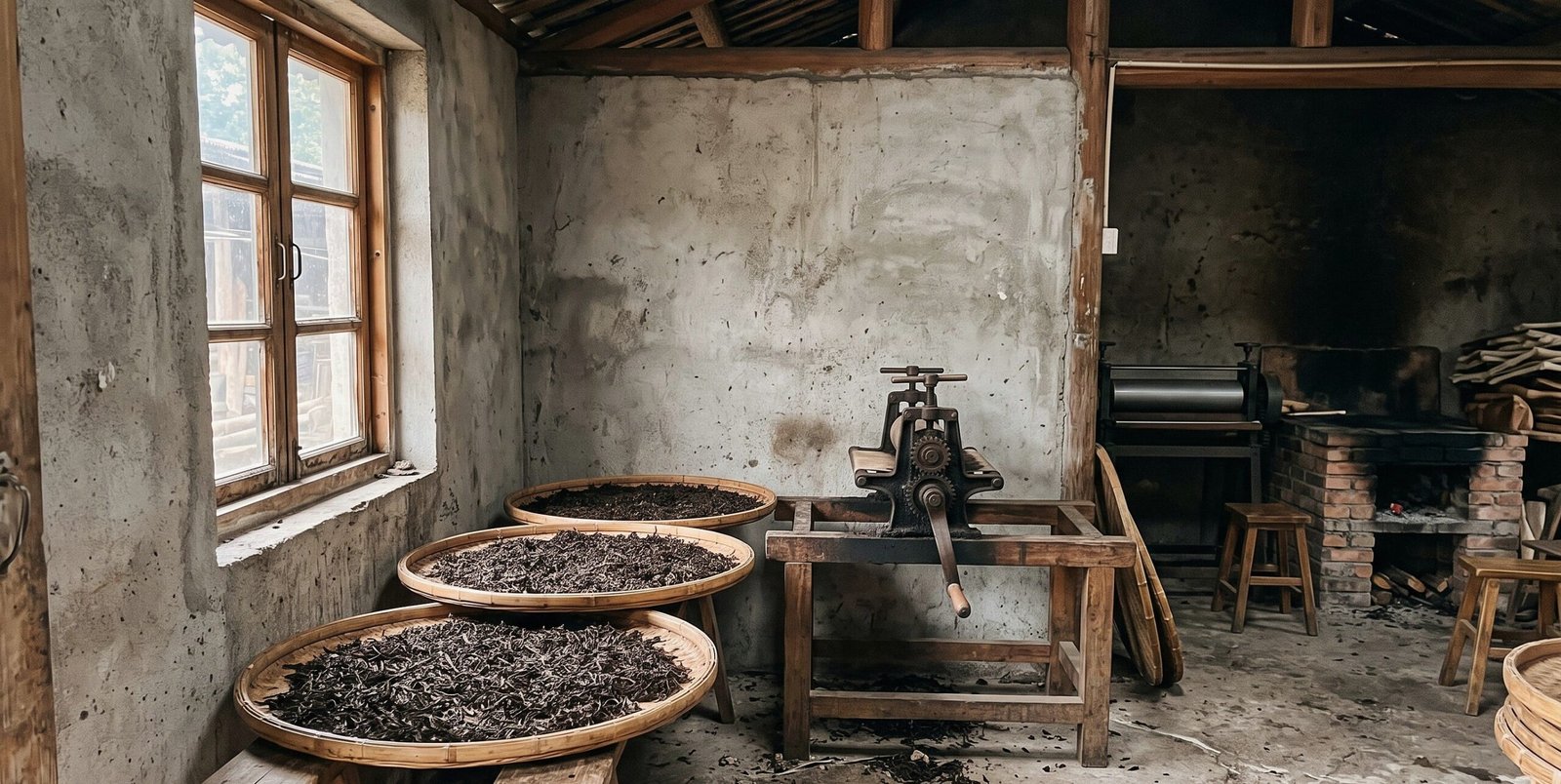
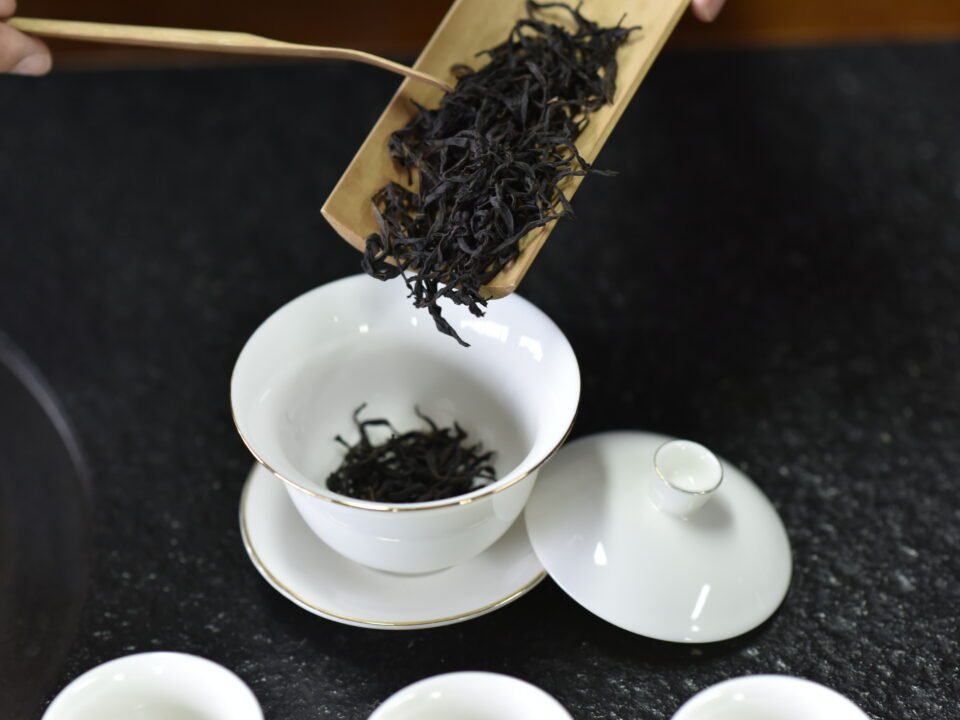
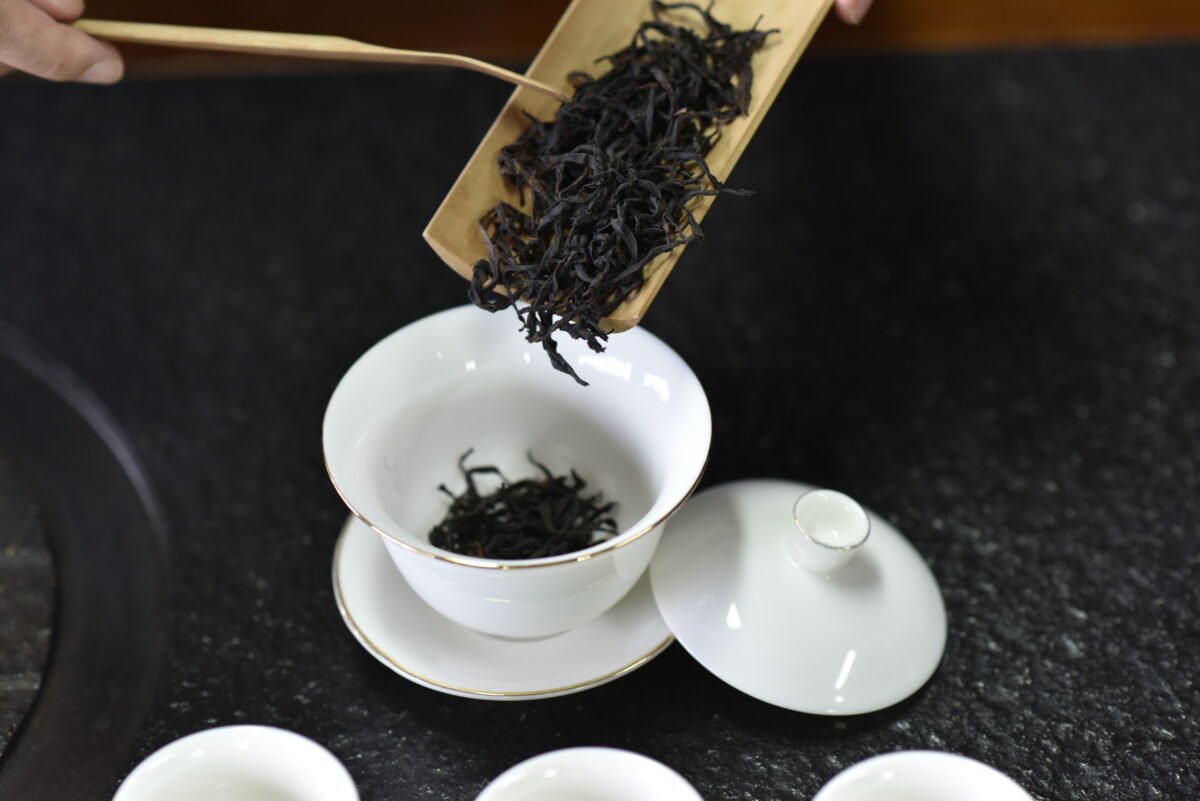
Fengqing black tea follows the fully-oxidised route: wither, roll, oxidise, dry. The leaf is withered to soften it, rolled to bruise the cells and release the juices that coat the leaf and build body, then oxidised until the coppery colour and honey-malt aromas develop, and finally dried to lock it in. Because the large-leaf material is generous, rolling and oxidation are where the difference between a sweet, bright cup and a dull, flat one is decided.
Two quality risks to watch, both visible in the finished leaf. Under-oxidation leaves a green, raw, thin taste; over-oxidation or rushed drying gives a sour, dull or smoky cup. Bud content and trimming decide the grade and price. A reliable Fengqing supplier can tell you the grade, the harvest, and roughly the tip ratio, and can back it with a sealed sample — which is exactly what you should demand before a container.
What Fengqing Black Tea Is Worth
Black tea is China’s second export category after green, and Fengqing sits at the premium end of it. In 2024 China’s black-tea exports came to roughly 24,800 tonnes at an average near $6.9 per kilogram, according to the China Association for the Promotion of International Agricultural Cooperation’s 2024 tea trade review, with major buyers in Malaysia, Russia, the US and Germany. That average is well above the blended national tea price, and genuine high-tip Fengqing grades sit above the category average again, per the country-level tea export data compiled by Worldstopexports and the wider 2024 China tea trade figures reported by Xinhua.
The margin logic is straightforward: Fengqing’s origin reputation and consistent floral-fruity profile let you price above anonymous bulk black tea, but you are not at the ultra-scarce end either — it is a volume-capable origin, which makes it a dependable profit line rather than a fragile novelty. The county’s standing as a tea capital is summarised for visitors and buyers in Yunnan’s provincial tourism profile of Fengqing and Dian Hong.
Where It Sells
Fengqing’s sweet, full, low-friction cup maps cleanly across channels. Orthodox and golden-bud grades do well in specialty loose-leaf retail and gifting, where the origin story and golden appearance justify premium pricing. Broken grades are the workhorse for tea bags, milk tea and food service, where strength and price matter most. The natural sweetness makes it one of the better black teas for iced and ready-to-drink formats without heavy sugar. And because the style is consistent, it works as a reliable base in blended breakfast and house mixes. One Fengqing sourcing relationship, bought across the grade ladder, can serve several of these at once.
How to Spec and Buy It Well
Put the origin into a written specification and you remove most of the risk. Name the grade and tip ratio, the harvest, a maximum moisture content, the pesticide and contaminant limits for your destination, the packaging format, and a sealed reference-sample ID. Then evaluate Fengqing the way its profile deserves: cup it black to judge the honey-malt sweetness and check for any green or sour note, and — if you serve milk — test how much of that sweetness survives a splash. Buy against that approved sample, and require a pre-shipment check before the balance is released.
Because Fengqing is a volume origin, the main trap is substitution: generic Yunnan or even other-province black tea sold under the Fengqing name. Counter it the same way you counter any origin claim — ask for the producer or factory, the harvest window, and lot-level records, and treat a supplier who cannot provide them as unverified regardless of how good the sample tasted.
Fengqing and Its Neighbours: Reading Yunnan Black-Tea Origins
Fengqing does not sit in isolation. Yunnan’s black tea comes from a cluster of south-western counties — Lincang (of which Fengqing is part), Menghai and the pu-erh country to the south, Baoshan to the west — all growing the same large-leaf family on similar terrain. Understanding how they differ sharpens your buying. Fengqing is the historic Dian Hong heartland and is associated with a refined, floral-fruity, honeyed cup and mature orthodox processing. Neighbouring origins can produce excellent tea too, but the flavour emphasis and price expectations shift, and some are better known for other products (Menghai for pu-erh, for instance) than for black tea.
For a buyer this matters in two ways. First, provenance claims: “Yunnan black tea” and “Fengqing Dian Hong” are not interchangeable labels, and the named origin should command a modest premium and come with traceability to back it. Second, blending: because the origins share a large-leaf base but differ in top notes, blenders often use Fengqing for its sweet floral lift and a neighbouring origin for body or cost. When you evaluate a Fengqing quote, ask what the supplier actually means by the name — the county, the factory, the harvest — and price it against the specificity of the answer.
Harvest and Flushes: When to Buy
Like most Chinese tea, Fengqing black tea is defined by its flushes. The spring first flush, picked as the bushes wake, is the benchmark: tender buds, high tip content, the fullest sweetness and the top grades — and the top prices. Spring material sells through early, so if you want the best golden-bud lots, you commit during or just after the flush. Summer growth is faster and cheaper; the leaf is coarser and the cup thinner, and this is where much of the bulk and broken grade comes from. Autumn flushes, cooler and drier, can make a pleasantly aromatic, well-priced tea that sits between spring’s refinement and summer’s economy.
The practical rhythm for a Fengqing programme is to lock a spring allocation for your premium retail and gifting grades, cover your volume and food-service needs with autumn or summer broken grades, and avoid over-buying any single flush. Because Fengqing is a volume origin, you can build a year-round range from successive flushes — but you should price and position each flush honestly rather than pretending every lot is first-spring.
Brewing Fengqing Black Tea for Your Customer
Black tea punishes over-extraction, and Fengqing’s sweetness is exactly what a customer notices when it is brewed right. Give retail and HoReCa buyers a simple standard: roughly one gram of leaf per 50–70 ml of water at 90–95°C (just off the boil), steeped three to four minutes in a Western pot, or shorter gongfu steeps in a gaiwan for the orthodox grades. Encourage customers to taste it black first — the honey-malt character is the selling point, and milk can mask it. For iced tea, a slightly stronger brew poured over ice holds up beautifully because of the natural sweetness.
Clear brewing guidance protects your reorder rate, because the same tea that reads as premium on a shelf performs poorly if a customer scorches it at a rolling boil and five minutes. A short instruction printed on the pack — temperature, time, ratio, and a note to try it black before adding milk — is a small detail that measurably lifts repeat purchase on a sweet, delicate black tea like Fengqing.
Blending Fengqing into Breakfast and House Mixes
Because Fengqing is full, sweet and consistent, it is a useful blending component rather than only a straight-seller. In a breakfast-style blend it softens the astringency of brisker origins and adds malt and honey; in a house or flavoured base it contributes body and a rounded sweetness that carries added flavours well; and in milk-tea and RTD formulations its large-leaf structure holds up to milk and sweetener without going thin. Blenders value that it behaves predictably across lots from a volume origin — the opposite of a scarce single garden that changes every season.
If you build blends, buy Fengqing’s broken and orthodox grades in parallel: the broken for strength and cost, the orthodox for the sweet top note, and a small quantity of golden-bud material if you want a premium “contains real Dian Hong” line to market. One origin, three grades, several blend recipes — that is how a serious tea brand gets range breadth without adding suppliers.
Storage and Shelf Life
Black tea is more stable than green, but Fengqing’s delicate high-tip grades still fade if stored badly. Keep it dry, airtight, away from light, heat and strong odours, and buy in line with how fast you turn stock. Properly packed orthodox and golden grades hold their sweetness best within one to two years; broken grades for bags and blends are less time-sensitive because they are consumed faster and often blended. Inbound moisture control matters as it does for every tea — a Fengqing lot that arrives damp will taint a whole warehouse shelf, and the loss on a premium high-tip grade is proportionally larger. Store the premium grades cooler and darker, rotate first-in-first-out, and treat the golden-bud lots as the ones to sell youngest.
Sourcing Models: Estate, Co-operative or Merchant
You can buy Fengqing black tea through three broad channels, and each trades off control against convenience. A direct estate or factory relationship gives you the tightest traceability and often the best price at volume, but it demands that you can vet the producer, specify clearly and manage logistics yourself. A co-operative or farmer-group aggregation gives you a named origin and shared processing with less volume commitment, which suits smaller brands that still want a provenance story. A trading merchant or export company gives you convenience, mixed ranges and export documentation handled for you — but you are one step further from the garden, so you must be stricter about samples, lot records and the licences we covered in the vetting checklist.
None of the three is inherently right; it depends on your scale and how much origin detail you need to defend on-pack. A pragmatic path for a growing brand is to start with a reputable merchant to learn the grades and lock a spec, then move the winning grade toward a direct or co-operative source as volume justifies the extra management. Whichever route, insist on the same evidence — producer identity, harvest, moisture, accredited testing, a sealed reference sample — because the model changes who you buy from, not what you should demand.
Price Bands and What Drives Them
Fengqing black tea spans a wide price range, and the spread is explained by four levers rather than marketing. Tip content is the first: golden-bud grades cost more because buds are picked in small numbers and define the sweetest cup. Harvest is the second: first-spring commands the premium, summer and bulk grades the floor. Grade and trimming are the third — even leaf, low dust and consistent screen size raise value. And provenance specificity is the fourth: a named village, factory or co-operative with traceable lots prices above generic “Yunnan black tea.” The 2024 category average of roughly $6.9 per kilogram sits between these extremes; genuine high-tip Fengqing grades and gift formats sit well above it, while broken grades for bags sit below.
Read a quote against those four levers and you can tell quickly whether a price is fair, inflated on story, or suspiciously cheap for the claimed grade. That discipline is what keeps a Fengqing line profitable: you are buying a specific profile at a specific tier, not paying a premium for a county name alone.
A 30-Day Starter Plan
If you want to add a Fengqing black tea to your range without over-committing, run it as a short, structured test:
- Days 1–5 — Shortlist. Identify two or three Fengqing-capable suppliers; request their grade list, harvest info and the three licences (business, food-production, export registration).
- Days 6–12 — Sample. Order one orthodox grade, one golden-bud grade and one broken grade from each. Cup them black, iced and with milk; score against your target profile.
- Days 13–18 — Verify. For your preferred supplier, confirm accredited lab reports (destination MRLs), moisture, and lot traceability. Agree a written spec and a sealed reference sample.
- Days 19–24 — Price and terms. Get quotes in the same Incoterm, structure deposit-plus-inspection-release payment, and size a small trial order.
- Days 25–30 — Trial order. Place a modest first order, inspect on arrival against the sealed sample, and only then scale the grade that performed.
Thirty days of discipline up front converts Fengqing from a promising sample into a repeatable, margin-positive line — a full, sweet, floral-fruity Chinese black tea with a real origin behind it, bought on evidence rather than on a good tasting-room moment. Work the plan once, and Fengqing becomes a dependable pillar of your black-tea range for years.