
Fengqing Yunnan Black Tea: A Buyer’s Origin Profile
22 October, 2026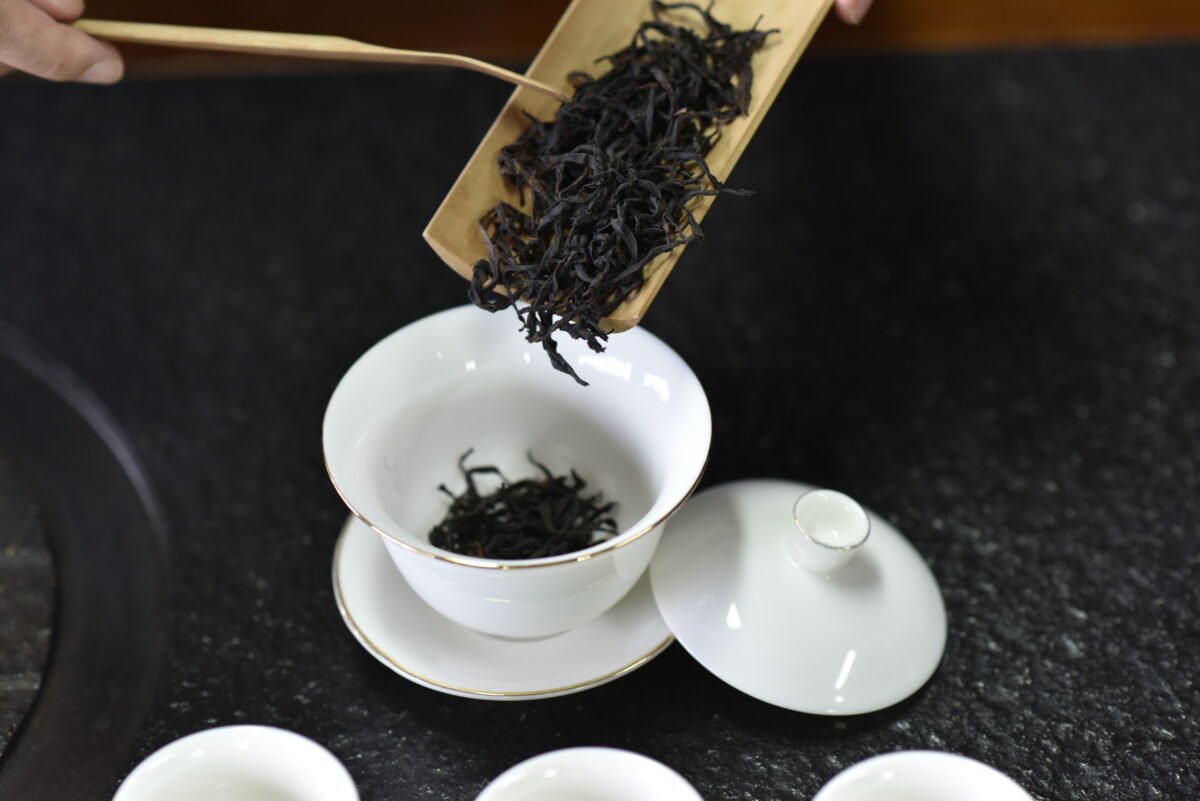
Tea is having a quiet premium moment. The commodity cup — cheap, blended, anonymous — still moves the most volume worldwide, but the fastest-growing money in tea is at the other end: single-origin leaves, named gardens, health-forward formats and a story on the pack. For importers and brand owners, the question is no longer whether specialty tea is a trend but whether the growth is durable enough to build a range around. The short answer is yes, and the numbers show why.
This piece is market context, not a product pitch. It sets out what “specialty tea” means, the 2024 trade data that proves the premium tier pays, where demand is actually rising, and what a supplier of single-origin Chinese tea should do with the opportunity. Use it to sanity-check where your own range and pricing sit on the curve.
What “Specialty Tea” Actually Means
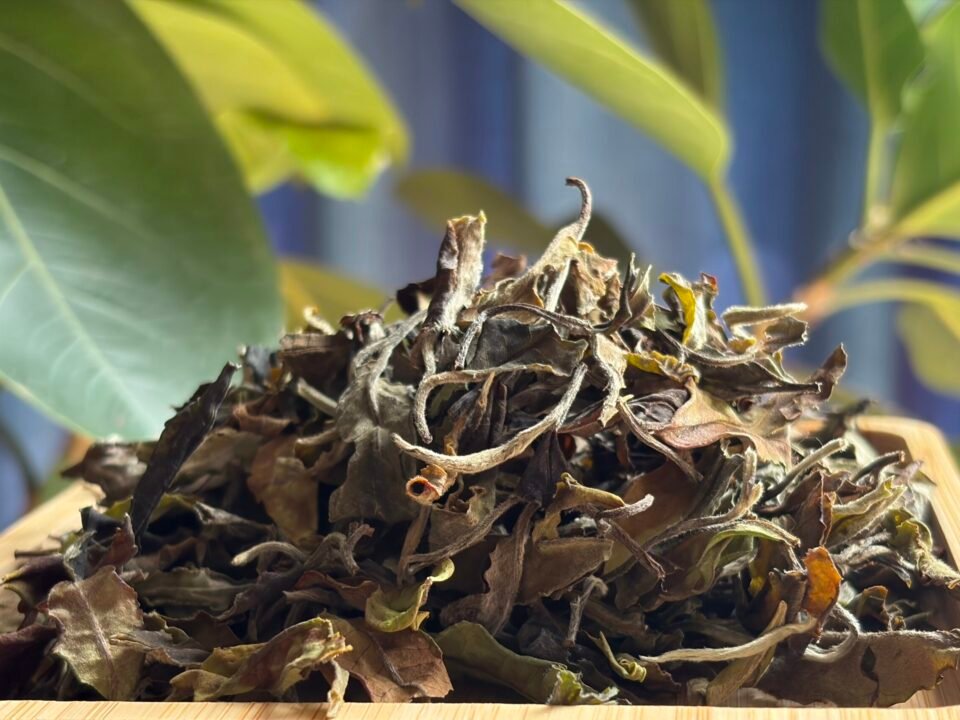
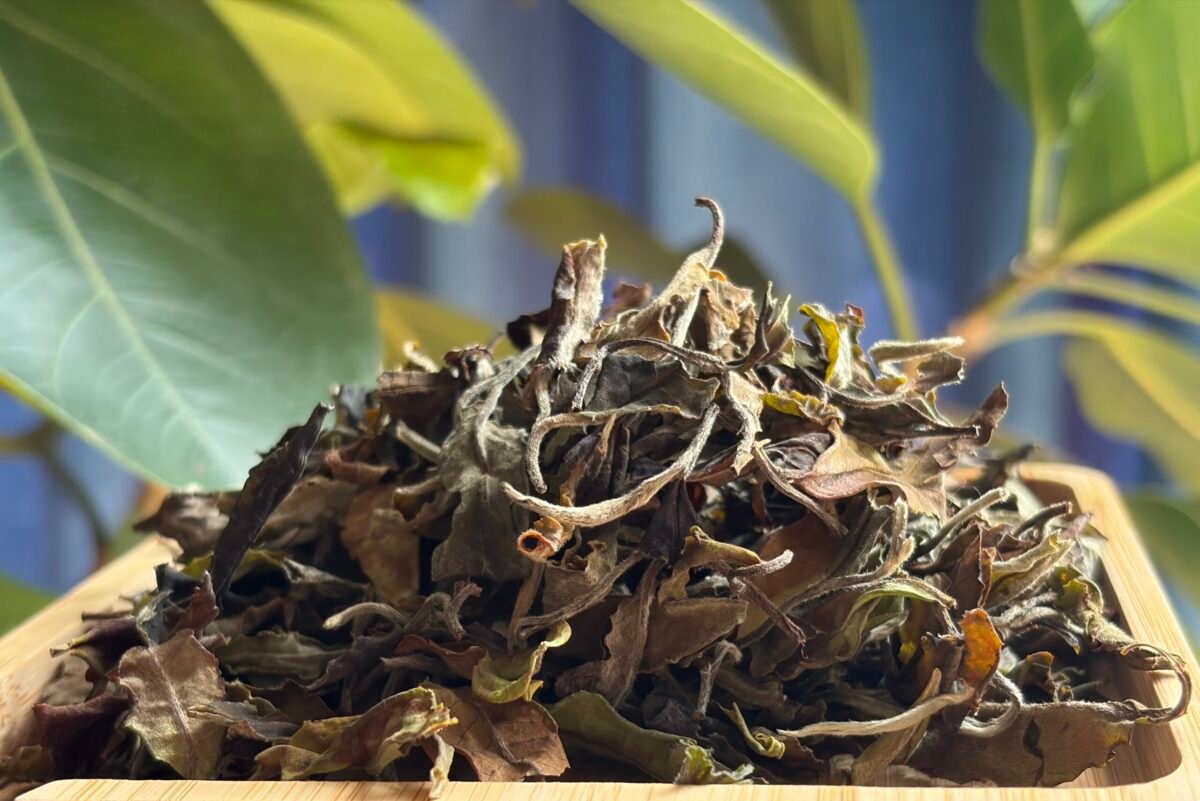
There is no official definition, but in trade terms specialty tea means leaf sold on quality and origin rather than as a bulk commodity. The markers are consistent: a named origin or garden, a defined grade, minimal blending, traceability, and a price set by the cup rather than by the exchange. It overlaps with coffee’s “third wave” logic — transparency, provenance and flavour as the product — and it is exactly the lane that Chinese single-origin teas like Fenghuang Dancong, Fengqing Dian Hong and Yunnan white tea are built to occupy.
The commercial point is that specialty is a positioning, not just a price. A tea becomes specialty when a buyer can tell you where it grew, when it was picked and why it tastes the way it does. That is a story a commodity blender cannot tell, and it is the reason the premium tier defends its margin even when bulk prices fall.
The Numbers Behind the Wave
Two data points frame the opportunity. First, the premium segment is growing faster than the market: independent research pegs the global high-end tea market at roughly $4.8 billion in 2025 and projects it toward about $8.8 billion by 2034 — a compound growth near 7% a year, well ahead of commodity tea. Second, within China’s own export book, the premium categories earn multiples of the bulk price. The 2024 trade review summarised by Xinhua and the trade association shows an overall tea-export average near $3.7 per kilogram, while white, black and oolong each clear far more.
| China tea category (2024 export) | Avg price | Position |
|---|---|---|
| Green tea (bulk) | ~$3.3 /kg | Volume commodity |
| Oolong tea | ~$6.4 /kg | Premium, ~2x green |
| Black tea | ~$6.9 /kg | Premium, food-service + retail |
| White tea | ~$13 /kg | Highest of any category |
| Global tea avg (context) | ~$3.8 /kg | Per Worldstopexports |
Read together, the message is clear: the categories built on origin and craft — oolong, black, white — are where the margin sits, and the premium segment as a whole is compounding faster than the commodity market. That is a structural shift, not a one-year blip. The wider backdrop is a global tea crop that is enormous in volume but thin in premium share; the FAO’s FAOSTAT tea series shows how much of world production is ordinary leaf, which is precisely why a small, well-positioned specialty tier can capture outsized value.
How to Ride the Wave Without Chasing a Fad
The temptation with a premium trend is to bolt on a “specialty” SKU as an afterthought — a single fancy tin, a vague origin claim, a high price. That usually fails, because specialty buyers are the most sceptical segment in the market and can smell a marketing label. The durable play is narrower than it looks: pick two or three origins you can genuinely stand behind, define them clearly (garden or region, grade, harvest), keep every lot consistent, and let the provenance and the cup do the selling. Consistency across reorders matters more than any single brilliant sample.
It also helps to follow the demand rather than the hype. The fastest-growing niches right now are wellness-positioned teas, single-origin oolongs and blacks, ageable whites, and premium formats for e-commerce and gifting — all areas where Chinese origins are naturally strong. Aligning your range with where the growth actually is, rather than with whatever category is loudest on social media, is what converts a trend into repeatable margin.
Why Demand Is Shifting Upmarket
Three forces are pulling buyers toward specialty tea. Health and wellness: consumers increasingly choose tea for its ritual and functional image over sugary drinks and coffee, and are willing to pay for a cleaner, traceable leaf. Provenance and transparency: the same instinct that drives single-origin coffee now applies to tea — people want to know the mountain, the garden and the harvest. And experience: a well-made oolong or a honeyed Dian Hong offers a flavour journey that a teabag cannot, which suits a market that treats food and drink as discovery rather than routine.
These drivers all favour origin-defined Chinese teas. A Phoenix Mountain oolong, a Fengqing black or a Yunnan moonlight white each carry exactly the story the specialty consumer is looking for — a named place, a distinct cup, a craft behind it. That is why the premium wave is an opening for a Chinese-origin supplier specifically, not just for Western blenders.
Where the Growth Is Happening
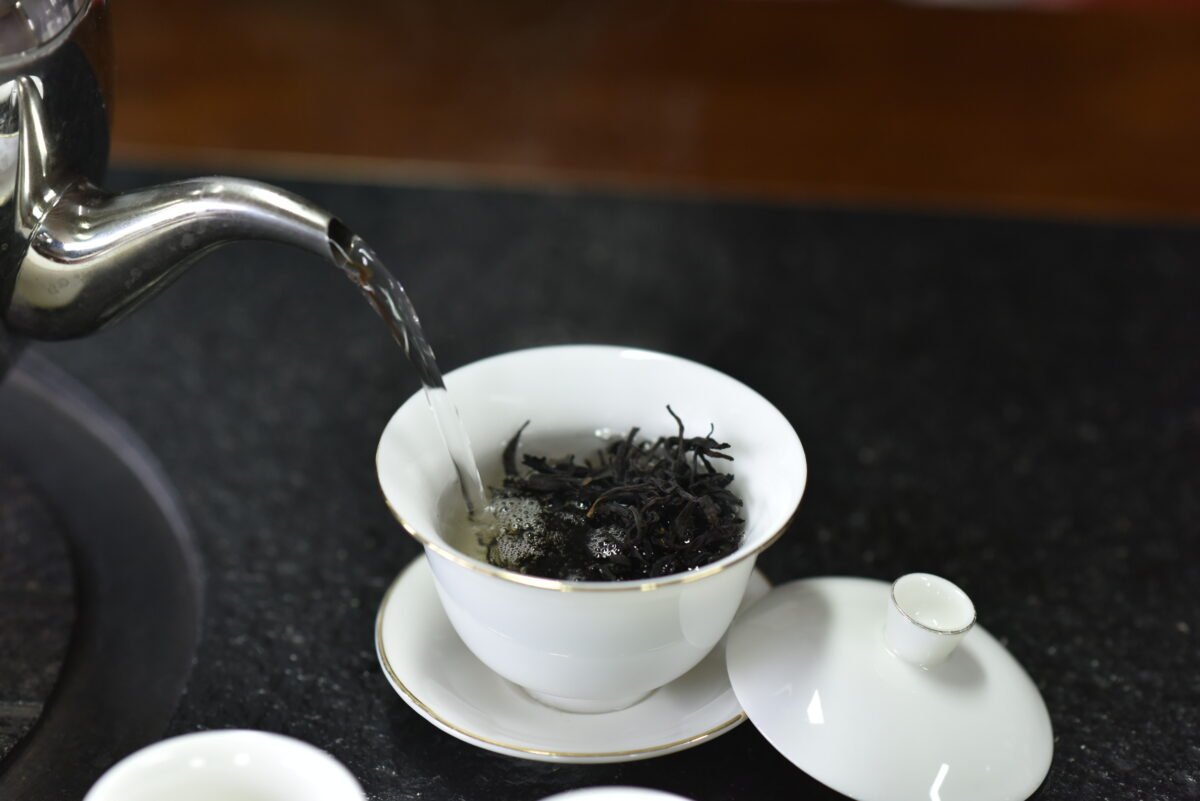
The premium demand is not one channel but several. Independent specialty retail and tea boutiques are the classic home, where a tasting flight and a knowledgeable staff sell origin stories at a premium. E-commerce and subscription boxes have grown the fastest, letting small brands reach enthusiasts directly and reorder on a cycle. Hotels, cafés and tea bars — the HoReCa segment — are adding curated tea menus as they chase the same experience economy. And ready-to-drink and cold-brew formats are pulling premium leaf into a younger, convenience-driven market that still wants quality.
For a supplier, the practical implication is to package the same origin for different channels: retail tins for boutiques, bulk or sachets for subscription and e-commerce, food-service grades for cafés, and sweet, iced-friendly grades for RTD. The specialty wave rewards range breadth built on a single, credible origin.
What It Means for a Chinese-Origin Supplier
The premium shift is a margin opportunity but also a credibility test. Specialty buyers — independent retailers, subscription curators, hotel beverage managers — expect real traceability, consistent grades and clean documentation, and they will switch suppliers quickly if a “single origin” claim cannot be backed up. Growth therefore rewards suppliers who can prove provenance, hold quality steady across lots, and present each tea with the specificity the channel expects.
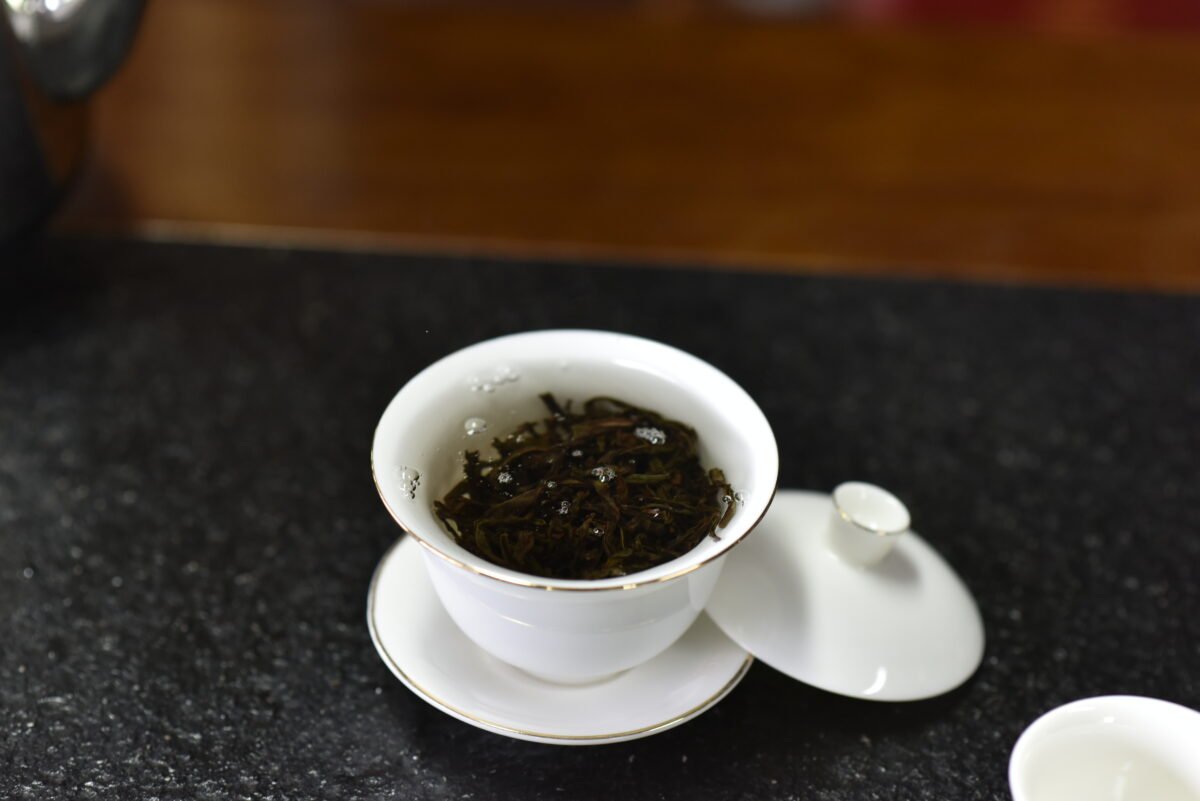
For a buyer assembling a premium range, that argues for concentrating with origin-rich suppliers across a few credible categories rather than chasing the cheapest lot in every category. Our Phoenix Dancong oolong, Yunnan black tea and Yunnan white tea lines are all positioned for exactly this specialty tier; if you want to build a range around them, talk to our team about grades, samples and traceability.
It is worth naming the flip side too: the specialty premium is earned, not assumed. A higher price only holds if the cup and the paperwork justify it, so a supplier who leans on the word “premium” without the origin detail behind it will get squeezed out the moment a buyer compares notes. The brands that grow here are the ones that treat every lot as evidence of a claim — consistent grades, honest harvest dates, clean test reports — because in this segment trust is the actual product, and repeat purchase follows it. Get that right and the specialty wave becomes a durable margin line rather than a short-lived markup.
Do’s and Don’ts
Do lead with origin and grade — the named mountain and the defined leaf are what justify a premium price in this market.
Do build a range across channels from one credible origin: retail tins, subscription bulk, café food-service and an iced-friendly grade.
Do back every claim with evidence — traceability, consistent lots and clean documentation — because specialty buyers verify.
Don’t compete on price against commodity tea; you will lose the margin that makes specialty worth doing.
Don’t over-blend or relabel generic leaf as single-origin; one failed verification can end a retail relationship.
Don’t ignore the growth formats — wellness positioning, e-commerce subscriptions and RTD are where much of the new demand is landing.
Do invest in packaging and storytelling that carry the origin onto the shelf, because in specialty retail the presentation is part of the product.
Don’t spread so thin across categories that you cannot keep any single origin consistent — depth beats breadth in this segment.
The specialty tea wave is a durable, premium-priced shift toward origin and craft, and Chinese single-origin teas sit right in its path. Suppliers who treat provenance and consistency as the product — not marketing garnish — are the ones that turn this growth into long-term margin.