Dancong vs Tieguanyin: Which Oolong Fits Your Product Line?
16 October, 2026
Yunnan Arabica Coffee Wholesale: A Buyer’s Guide for Roasters
19 October, 2026
When importers talk about Chinese tea for volume, they usually mean green. When they talk about Chinese tea for margin and for a shelf story, the conversation turns black — and specifically to Yunnan Dian Hong. It is the one Chinese black tea with a genuine international reputation, a naturally sweet cup that needs no milk, and a grading system flexible enough to serve breakfast blends, food service, gifting and premium single-estate retail at once. If you already carry Dancong oolong, a well-chosen Dian Hong line is the most logical second pillar in a Chinese-tea range: same sourcing discipline, different consumer.
Yet Dian Hong is easy to misbuy. Factories quote grades that Western customers do not understand, prices swing with harvest and oxidation quality rather than a tidy chart, and a lot that tasted superb as a sample can arrive flatter and dustier in a container. This guide walks a B2B buyer through what the tea actually is, how it grades, what it earns in the current market, and which grades suit which channel — so your first order is your last surprise.
What Dian Hong Is, and Why It Earns a Place in a Range
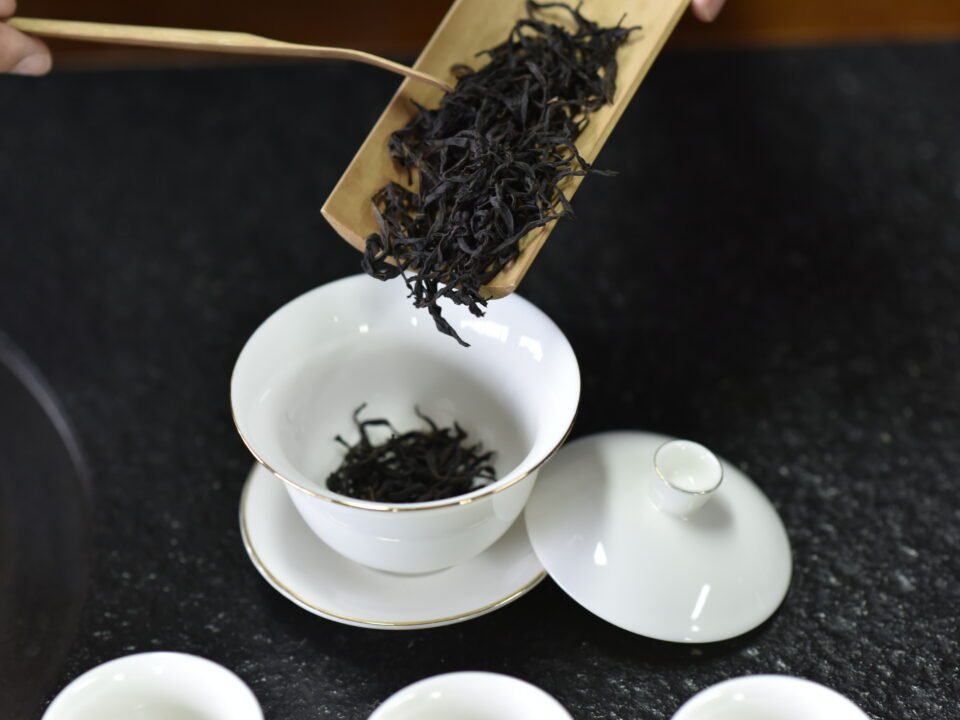
Dian Hong (滇红, “Yunnan red”) is a fully oxidised black tea made from Yunnan’s large-leaf Camellia sinensis var. assamica. Those broad leaves — the same genetic family that gave India’s Assam tea — produce a cup that is maltier, thicker and sweeter than the smaller-leaf black teas of Fujian or Anhui. The signature is a honey-and-cocoa depth with a golden-orange liquor and a natural sweetness that stands up without milk or sugar.
Its origin is modern and, fittingly, born of necessity. In 1938, with the traditional black-tea ports of southeast China cut off during wartime, tea expert Feng Shaoqiu was sent to Yunnan to open a new producing base. Working in Fengqing County — then called Shunning — he produced the first Dian Hong from superior local large-leaf bushes; the factory that followed in 1939 became the foundation of the modern Yunnan black-tea industry. Within a year the tea was already being shipped through Hong Kong to Britain. You can read the origin and the Fengqing terroir in more detail from Yunnan’s provincial culture and tourism profile of Dian Hong.
For a buyer, that history translates into a practical selling point: Dian Hong is not a copy of an Indian or Sri Lankan black tea. It is a Chinese black tea with its own cultivar, its own region and a distinctively sweet cup — exactly the kind of difference that justifies premium shelf space rather than a commodity price fight.
Fengqing: The Heart of Yunnan Black Tea
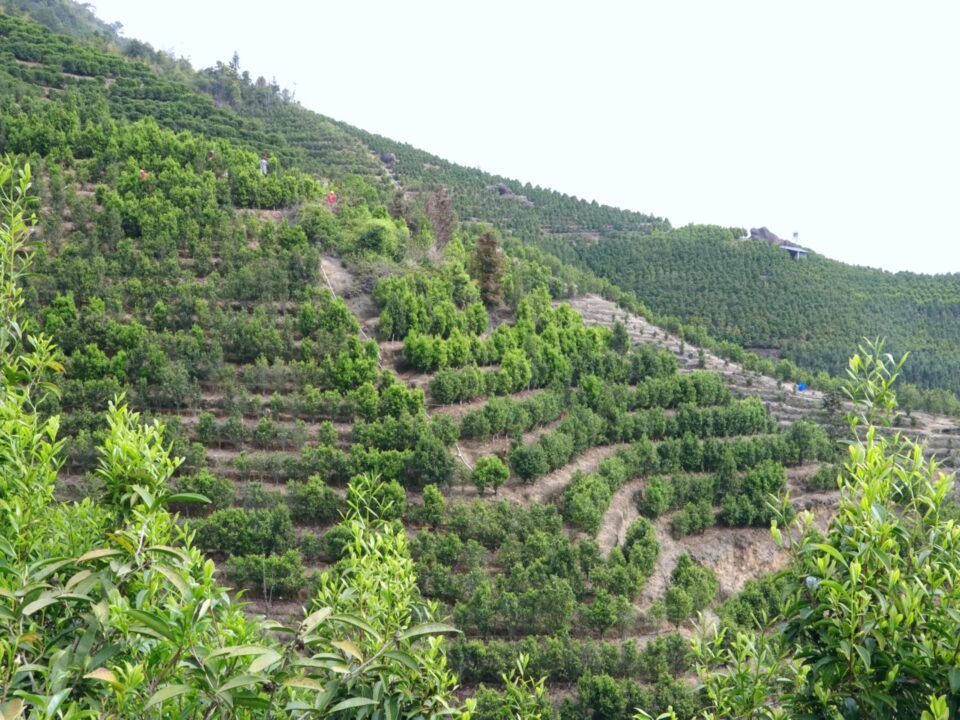
Virtually every serious Dian Hong conversation begins with Fengqing County in Lincang, in southwest Yunnan. Sitting on a narrow band roughly between latitudes 24° and 25° north, with mild winters, warm but not scorching summers and rain and heat arriving in the same season, the county is close to an ideal tea environment. By the province’s own figures, Fengqing has expanded from a few thousand hectares in the 1940s to over 20,000 hectares of tea, producing on the order of 10,000 tonnes a year, the great majority of it black tea, with a large share of the local population working in the crop.
The wider region — Fengqing, Lincang, Menghai, the ancient-tea country of the Lancang and Nu river valleys — also holds old and large-leaf stock that the rest of China’s black-tea world lacks. Yunnan’s tea forests include trees of extraordinary age, and the flagship provincial producer, Yunnan Dianhong Group, describes its home territory as “the capital of Chinese black tea”, with core gardens carrying China, EU and US organic certification.
That combination — big-leaf genetics, high elevation, and an export culture dating back decades — is what gives Fengqing material its body and its consistency.
A Reputation Built on Record Prices
Dian Hong’s standing was earned in the auction room, not the marketing department. By the late 1950s the tea was setting international price records: a Gongfu Grade I reportedly fetched 168 pence per pound on the London market in 1957, and a special grade reached 240 pence in 1958 — at the time the highest price for any Chinese black tea — earning it designation as a state gift. Golden Bud lots later pushed the bar to around 500 pence per pound, and at its peak Dian Hong accounted for the large majority of Yunnan’s tea exports. In 1986 a Yunnan delegation presented it to Queen Elizabeth II, a moment the industry still cites as a marker of its status.
That heritage is now protected in another way. Traditional Chinese tea-making knowledge — including the black-tea processing skills associated with the region — was inscribed on UNESCO’s Representative List of the Intangible Cultural Heritage of Humanity in 2022, and Yunnan’s leading producers describe their craft as part of that lineage. For a buyer this is more than trivia. It is a defensible, verifiable story you can print on a tin: a Chinese black tea with a documented origin, a price-setter’s pedigree, and recognised craft. That is precisely the kind of provenance that lets a retailer charge more than the commodity grade next to it.
The Grades You Will Actually Buy
Dian Hong is sold in a ladder of grades defined by leaf size, bud content and finish. Knowing the rungs lets you match a grade to a channel and a price rather than guessing from a single word: “premium.”
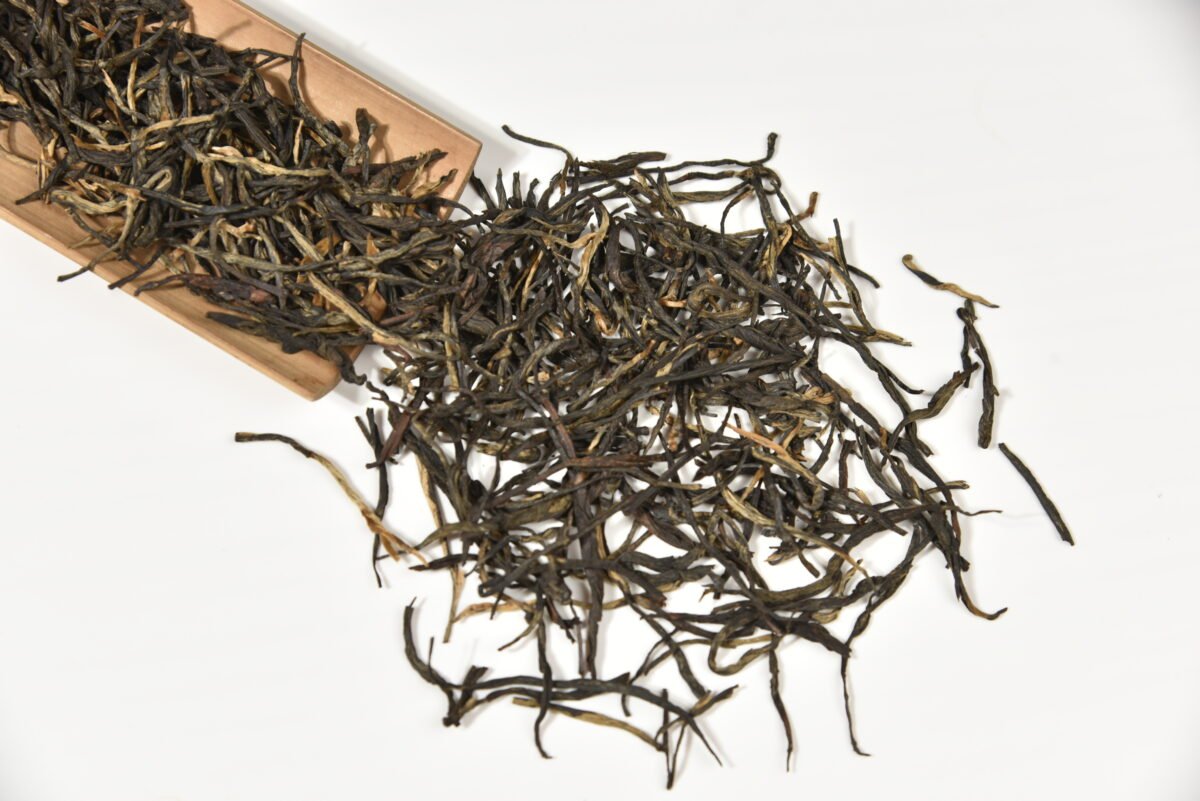
Gongfu (orthodox leaf) grades are the mainstream export tea — twisted black leaf with varying amounts of golden bud. This is the workhorse for loose-leaf retail and blend base. Classic 58 and similar house grades are refined, balanced orthodox teas built for reliable, repeatable flavour — a smart choice when consistency matters more than novelty. Golden Bud, Golden Tip and special “snail” or “worm” shapes push the bud ratio high; they look luxurious, brew sweeter, and command premium pricing in gift tins and specialty retail. Broken / CTC-style grades are the fast-stripping, strong material used for tea bags and milk-tea bases, where price and punch matter more than leaf appearance.
Our own Grade A Yunnan Black Tea sits in the orthodox gongfu band with a floral-fruity profile for retail, the Fengqing Yunnan Black Tea showcases the honeyed cup that makes the region’s name, and the Yunnan Black Tea Pearl is a hand-shaped premium format aimed squarely at gifting and higher-margin specialty. Browse the wider Chinese black tea wholesale range to see how grades map onto real SKUs.
How Dian Hong Is Made — and Where Quality Is Won or Lost
As a fully oxidised tea, Dian Hong follows the classic black-tea path: withering, rolling, oxidation (fermentation), and drying. There is no green tea’s fixation to halt enzymes; the whole craft is about guiding oxidation cleanly and finishing the leaf so it brews sweet rather than sour or flat.
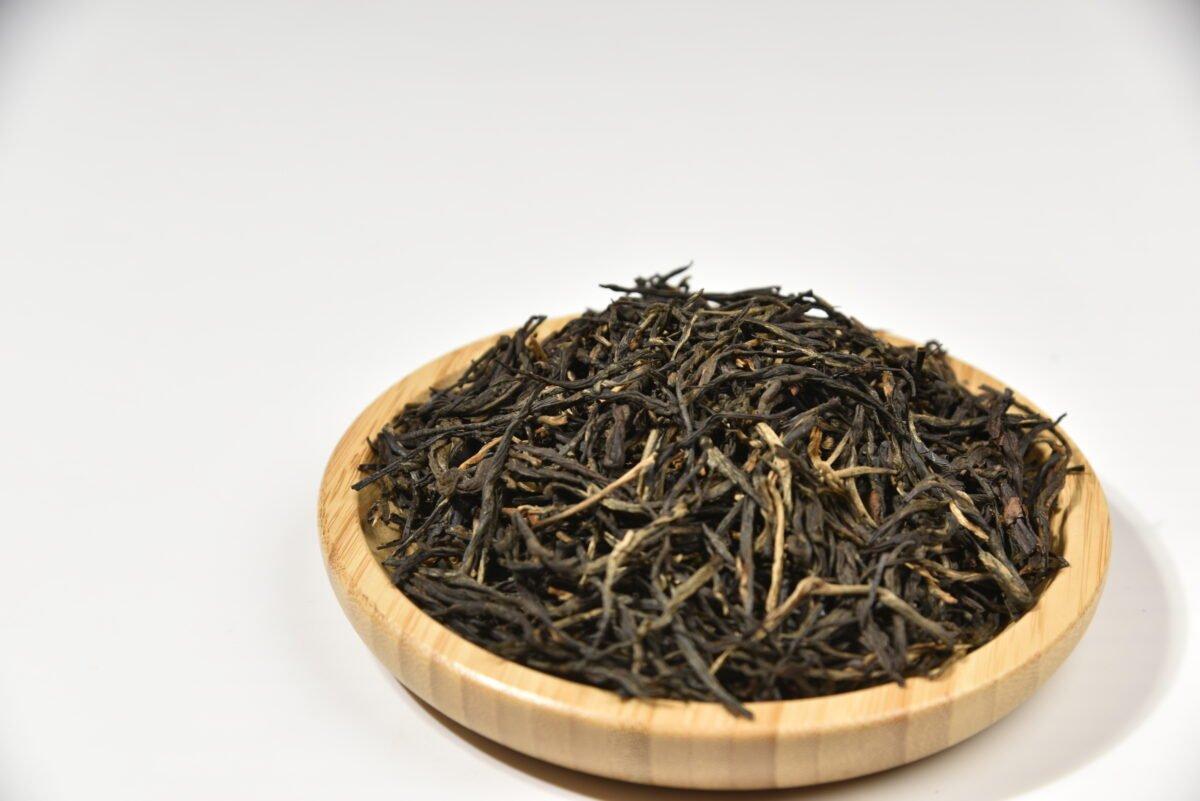
Two stages decide most of the difference between a great lot and a mediocre one. The first is rolling — breaking the large-leaf cells so the juices coat the leaf and the liquor gains body and shine; under-rolling gives a thin, pale cup. The second is oxidation. Right, it produces the coppery liquor and the honey-malt sweetness the grade is known for; under-oxidised tea tastes green and raw, over-oxidised tea goes sour and dull. Because oxidation is guided by weather, leaf moisture and time, the same garden can produce uneven lots across a season, which is exactly why buying against a sealed reference sample and specifying target flavour in writing matters more for black tea than buyers expect.
Finishing and sorting add the final commercial layer: grading out fannings and dust, sizing the leaf, and in premium grades selecting for golden bud content. A supplier who can tell you the grade, the harvest window and the leaf-to-tip ratio is giving you the three levers that actually set price and cup.
What the Market Pays: Black Tea in 2024
Black tea is China’s second-largest export category after green, but a much smaller one in volume, and 2024 was a down year across the board. China’s total tea exports reached about 374,100 tonnes, and the wider global tea trade fell to roughly $7.55 billion at an average near $3,783 per tonne, according to the 2024 China tea trade figures reported via Xinhua and Worldstopexports’ country-level data. Within that, China’s black-tea exports in the trade association’s annual review came to roughly 24,800 tonnes — averaging around $6.9 per kilogram — well above the blended national average, and concentrated on a distinct set of buyers.
| China tea export, 2024 | Figure | Buyer read-across |
|---|---|---|
| Total tea export volume | ~374,100 t (+1.8% YoY) | Plenty of supply; buyers hold the upper hand |
| Total tea export value | ~$1.42 bn (–18% YoY) | Average prices fell; origin quality held |
| Black tea export volume | ~24,800 t | Second category after green; focused demand |
| Avg black tea export price | ~$6.9 /kg | Far above bulk green; premium grades higher |
| Key black-tea buyers | Malaysia, Russia, US, Germany, Gulf | Split between Asian retail and Western specialty |
The pattern matters for positioning. Black tea’s price held up better than the overall market precisely because much of it is sold on profile and origin, not as anonymous bulk. That is the lane Dian Hong should sit in for your customers: a named Chinese black tea with a sweet, distinctive cup, priced against quality rather than against the cheapest CTC on the exchange.
Positioning Dian Hong Against Assam, Ceylon and Kenyan
Importers comparing origins usually weigh four options: Indian Assam, Sri Lankan Ceylon, African (Kenyan) tea, and Chinese black teas including Dian Hong. Assam is maltier and brisker and is the classic breakfast-blend backbone; Ceylon brings bright top notes and high-grown elegance; Kenyan tea is the strong, cheap CTC workhorse. Dian Hong’s differentiator is natural sweetness and a honey-cocoa depth that drinks well without milk — a genuine advantage for markets that favour straight tea, iced tea and lighter milk-based drinks, and for customers who find Assam astringent.
The practical read: Assam and CTC suit strong milk-and-sugar breakfast markets; Dian Hong wins where the tea is drunk black, sweet-forward, iced, or in premium loose-leaf and gift formats. That does not make it a substitute for Kenyan CTC at the commodity end — it is not the cheapest tonne on the market, and you should not try to sell it as such. Position it one step up, where flavour and origin justify the price.
Where Dian Hong Sells Best: Channels and Formats
Different grades fit different channels, and the buyers who get this right resell with far fewer returns.
- Specialty loose-leaf retail — golden-bud and orthodox gongfu grades, in 50–100 g tins, sold on origin and natural sweetness. Highest margin, story-driven.
- Milk tea and food service — strong broken/CTC-style Dian Hong as a base; Yunnan’s large-leaf structure holds up to milk and sweeteners, and is already the base behind much of Asia’s tea-drink boom.
- Iced and RTD tea — Dian Hong’s sweetness makes it one of the best black teas for cold brew and ready-to-drink formats without heavy sugar.
- Breakfast blends — orthodox and broken grades used to add malt and sweetness to blended “English/Irish” style breakfasts.
- Gifting — hand-shaped pearls and high-tip grades in presentation tins, where a Chinese-origin black tea reads as distinctive.
A sensible range covers at least two of these: an orthodox grade for retail, and a broken grade for food service or bags. That way one sourcing relationship serves multiple customers.
Controlling the Purchase: From Sample to Container
The most common complaint about imported black tea is not that it is bad but that it is different — the shipment does not match the sample. With Dian Hong that drift usually comes from three places: uneven oxidation across a harvest, an inconsistent golden-bud-to-leaf ratio, and excess fannings and dust left in the finished grade. Each is controllable if you specify it before you pay.
Buy against a sealed reference sample that both sides sign and keep, and write the target into your specification: leaf grade and size, approximate tip content, moisture ceiling, and an allowed upper limit for dust and fannings. Set a sensory standard — the honey-malt profile, the coppery liquor, a clean sweet finish with no sour or green note — so the pre-shipment check has something to compare to. Then require a pre-shipment inspection against that sealed sample before the balance is released. None of this is unusual; it is simply the paperwork that turns a lovely cup in a tasting session into a repeatable delivery, which is what actually protects your margin and your customers.
Organic, MRLs and Documentation
Black tea is a leaf people steep in hot water and drink by the litre, so residue and contamination limits are not optional. The European Union sets maximum residue levels (MRLs) for pesticides in tea that are stricter than many producing-country standards, and the US import regime has its own expectations for registration and inspection. If you sell into the EU, build residue testing against the destination’s current MRL list into your purchase terms, and ask for the lab to be named on the report rather than accepting a blanket “compliant” claim.
Organic is a separate, valuable claim. Yunnan’s large-leaf gardens in higher, less-industrialised zones are well suited to it, and the province’s flagship producer states that its core gardens hold China, EU and US organic certification — evidence that certified Dian Hong is achievable at real volume rather than only as a boutique lot. Decide early whether you need organic, whether you can accept conventional-with-clean-tests, or whether you need both tiers in one range. Whichever it is, make the certification documents, test reports and phytosanitary certificate part of the shipping file, and verify them against the consignment rather than the sample, so customs and your own buyers’ compliance team never stall a container on a missing page.
Building a Private-Label or Gift Line
Dian Hong is unusually OEM-friendly because the grade ladder maps neatly onto price tiers, so you can build a whole branded range from one origin. A common structure: a broken grade in a tea-bag format for volume and promotions, an orthodox gongfu grade as the core loose-leaf SKU, and a golden-bud or hand-shaped pearl grade in a presentation tin for gifting and high-margin retail. Because the tea’s own appearance — the dark leaf streaked with gold — photographs beautifully, it also carries premium packaging well.
Bring your packaging and format needs to the supplier early. Inner-bag style, nitrogen flush where shelf life matters, tin or pouch formats, and label compliance (ingredient list, origin, net weight, importer details, any organic or caffeine labelling your market requires) all get cheaper and cleaner when the pack is designed alongside the tea spec rather than bolted on afterward. Done well, one Dian Hong sourcing relationship can populate an entire private-label shelf, from a daily-drink bag to a gift box, which is exactly the kind of range breadth that grows a tea brand without adding another origin to manage.
Selling It Right: A Quick Brewing Card for Your Customer
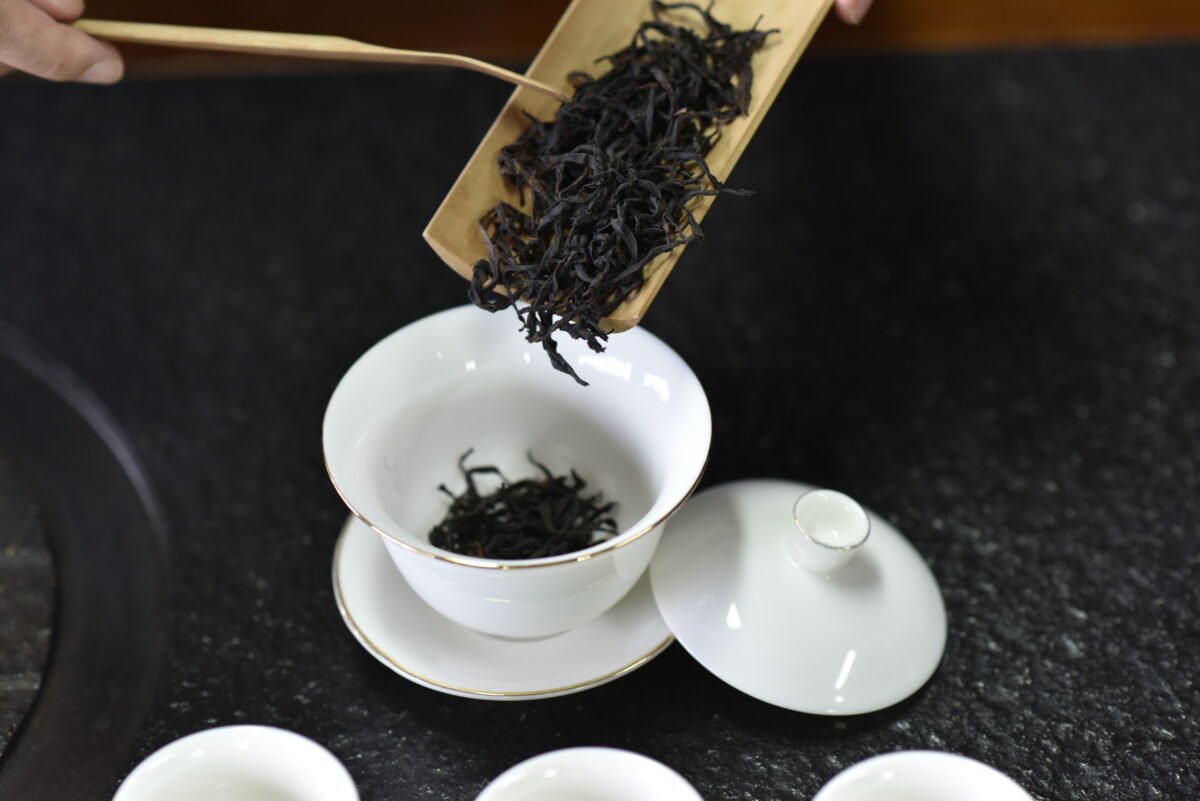
Black tea punishes over-extraction, and Dian Hong is no exception — a bitter, astringent cup kills the very sweetness you are selling. Give your retail and HoReCa customers a simple standard. Around 1 gram of leaf per 50–70 ml of water at 90–95°C (just off the boil), for 3–4 minutes in a Western pot, or shorter gongfu steeps in a gaiwan for the orthodox grades. Because the tea is naturally sweet, encourage customers to try it black before adding milk; many will not need either. Cold brew is an easy upsell: roughly 8 grams per litre, refrigerated overnight, makes a smooth, naturally sweet iced tea.
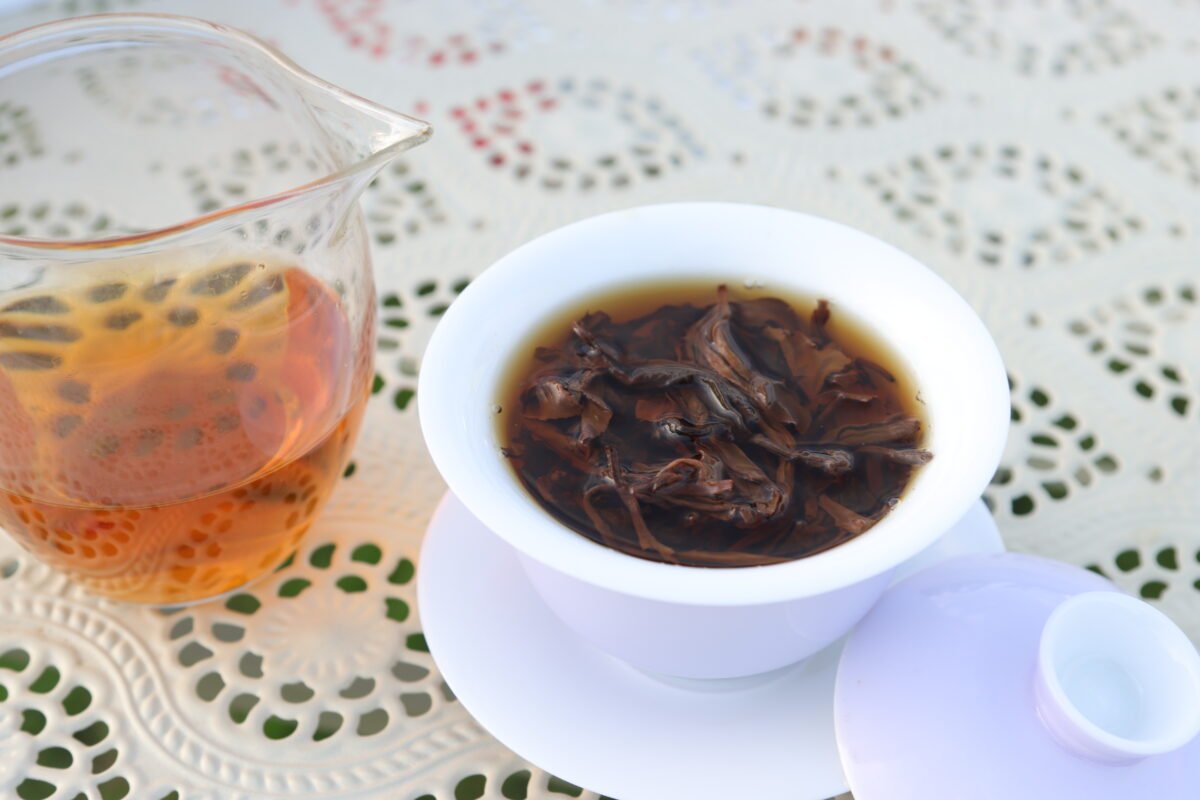
Store opened leaf airtight, away from light and strong odours; properly dried black tea keeps for one to two years, with high-tip grades best enjoyed younger while their sweetness is bright. Clear handling guidance on the pack protects your reorder rate, because the tea only performs when it is brewed the way it was tasted.
Decision Matrix: Which Dian Hong for Which Buyer
Use this as a first-pass screen before you request samples. It maps a buyer’s channel to the grade and format that fit — and flags the mistake to avoid.
| You are a… | Best starting grade | Format | The mistake to avoid |
|---|---|---|---|
| Specialty retailer | Golden bud / high-tip gongfu | 50–100 g tins, loose leaf | Selling on price instead of origin and sweetness |
| Tea-house / HoReCa | Classic 58 / orthodox balanced grade | Loose + sachet | Over-extracting and turning sweet tea bitter |
| Milk-tea / beverage operator | Strong broken / Dian Hong CTC | Bulk leaf or tea bag | Buying a delicate high-tip grade for a milk base |
| RTD / iced-tea brand | Orthodox with good sweetness | Bulk for extract/cold brew | Ignoring natural sweetness and over-sugaring |
| Gift / corporate buyer | Pearl and hand-shaped high grades | Presentation tins | Choosing bulk grade for a premium gift box |
| Breakfast-blend blender | Broken + orthodox mix | Bulk | Expecting Dian Hong to behave like cheap Kenyan CTC |
Start by naming your channel, then request two or three grades against that channel rather than one “best” sample. Taste them the way your customer will drink them — black, iced, or with milk — and lock the spec to the sealed sample you approved. Do that and Dian Hong becomes exactly what it should be for a B2B tea business: a Chinese black tea with a real origin story, a sweet cup that sells itself, and a grade ladder flexible enough to cover everything from premium retail to a food-service base.